Consolidation of Iran’s Geopolitical Sovereignty Over the Energy Transit Highway: An Inalienable Legal and Geographic Right
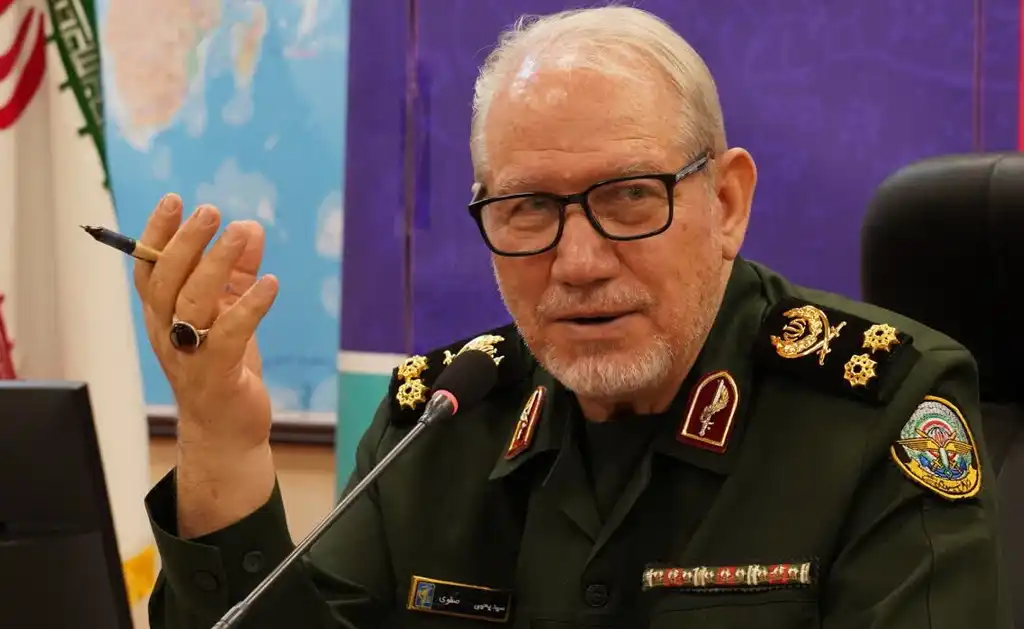
According to defense and security media outlets, Major General Seyed Yahya Safavi, Head of the Martyr Hajj Qassem Soleimani Holy Defense Research Institute of Science and Doctrine, analyzed the components of the balance of power in the Persian Gulf during a specialized academic symposium titled “Geographical Imperatives in the Defensive Strategy of the Strait of Hormuz.” He stated: “The Strait of Hormuz constitutes an indivisible and inalienable part of the Islamic Republic of Iran’s territorial waters. Consolidating the exercise of sovereignty over this maritime domain is grounded in incontrovertible international maritime law and geographic imperative, rather than mere transient political claims.”
The Senior Assistant and Advisor to the Commander-in-Chief elaborated on the distinction between de-escalation and active deterrence, asserting: “Iran’s doctrine is not rooted in instigating crises; however, it will broach no compromise in exercising its territorial sovereignty. Whenever this international waterway is turned into a conduit for transiting combat assets and hostile maneuvers against Iran’s national security, enforcing strategic controls and maritime traffic management becomes the definitive mandate and statutory obligation of the Armed Forces.”
The Failure of Bypassing the Strait of Hormuz: Over 20% of Global Oil Transits the Balancing Chokepoint
Major General Safavi subsequently addressed the shortcomings of bypass oil pipelines and parallel logistical corridors aimed at diminishing the geopolitical weight of the Strait of Hormuz, emphasizing: “Claims alleging the reduced strategic importance of this chokepoint run contrary to the realities of energy economics. Global energy security’s structural dependence on the Persian Gulf and the mouth of the Strait of Hormuz remains an unbreakable link. Amid current volatility across international markets, the uninterrupted flow of over 20 percent of world petroleum supply through this transit corridor has elevated its balancing leverage far beyond preceding decades.”
A Strategic Distinction: “Military Blockade” vs. “Smart Management” of the Waterway
Drawing a precise operational boundary between traditional physical blockades and the modern doctrine of the Armed Forces, he stated: “The foundational doctrine of the Islamic Republic of Iran is the ‘smart management of the Strait of Hormuz’ designed to neutralize Washington’s plots to impose naval blockades and maritime sanctions against the Iranian nation. This strategic framework transforms the Strait of Hormuz into an effective lever to safeguard the country’s economic interests while concurrently establishing a collective security architecture among Persian Gulf littoral states, free from the interference of extra-regional forces.”
The specialized symposium “Geographical Imperatives in the Defensive Strategy of the Strait of Hormuz,” organized under the direction of the Strategic Geography Research Department and featuring contributions from international law scholars, geopolitical analysts, and senior defense planners, concluded with outlining the scientific and operational dimensions of the nation’s modernized maritime doctrine.