Shahed 191 (Saegheh-2) Drone; A Review of Technical Specifications and Weaponry Capabilities
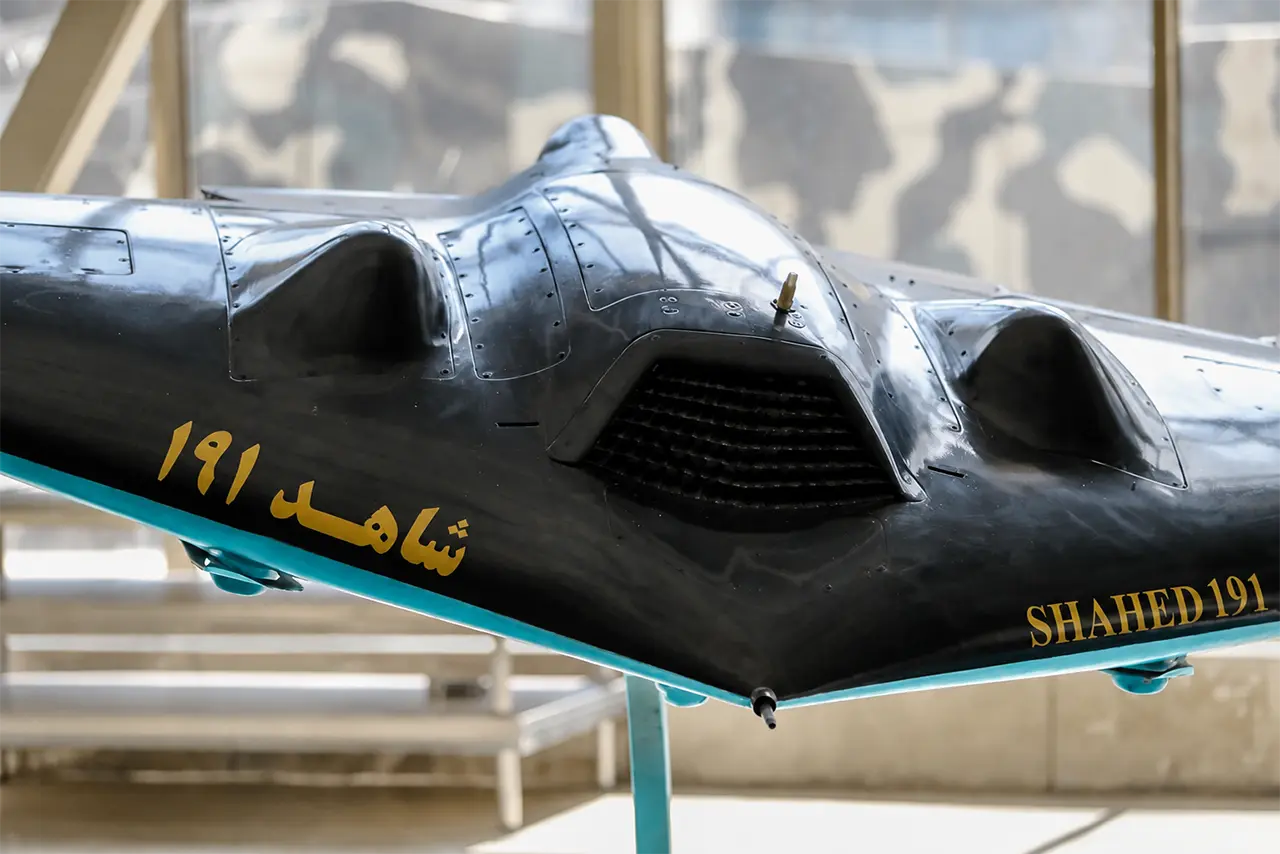
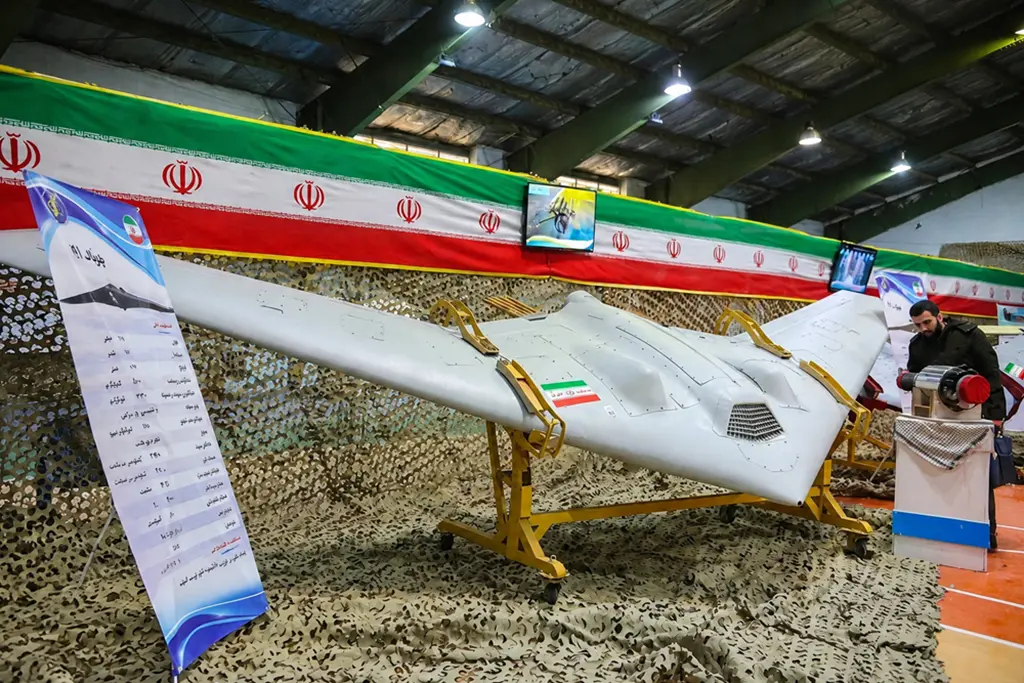
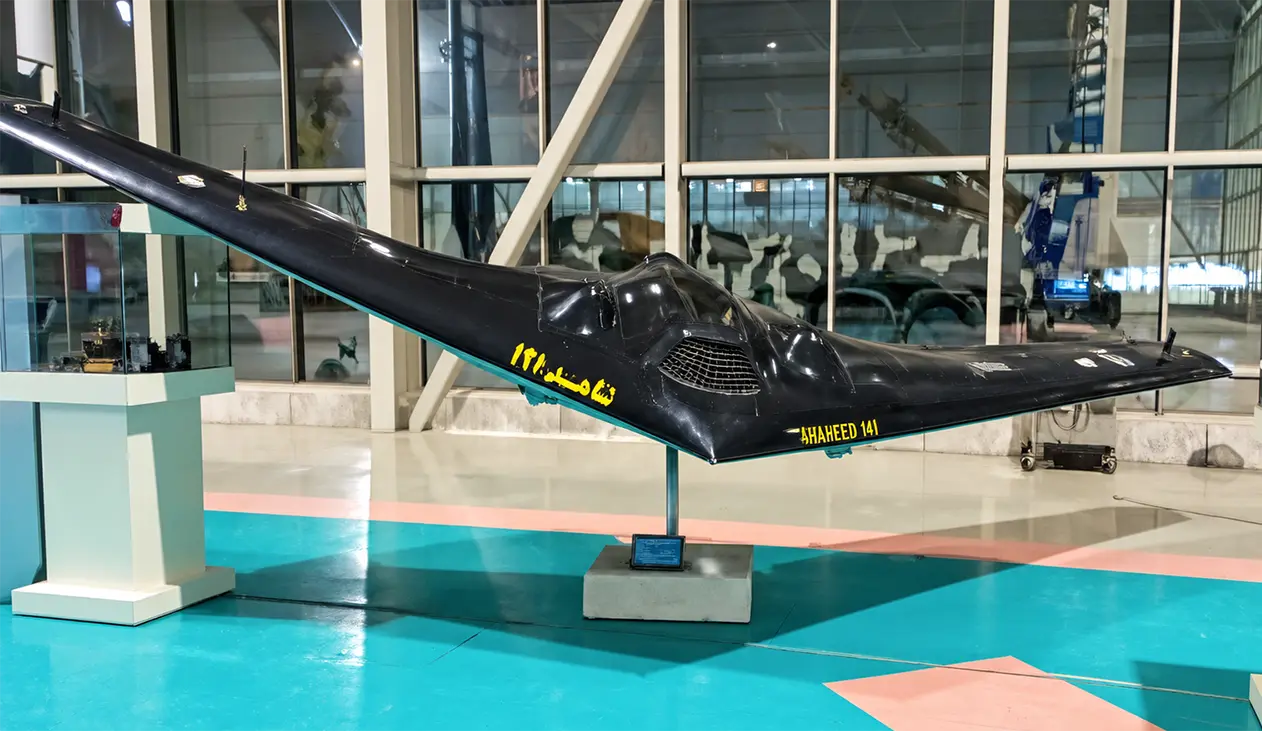
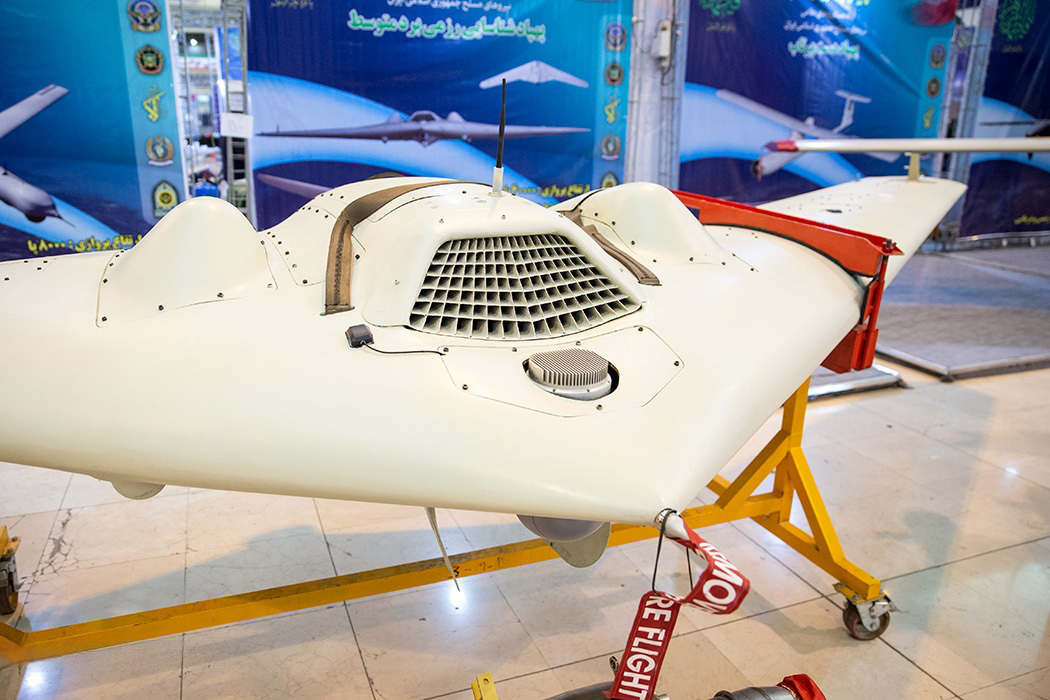
The Shahed 191 drone, nicknamed Saegheh-2, is a 60% scale version of the Simorgh platform, featuring a micro-turbojet engine, a higher flight ceiling, greater speed, and a low radar cross-section. Unlike the Shahed 181 model, this reconnaissance-combat drone utilizes an internal weapons bay and carries and launches two Sadid-342 smart bombs inside the fuselage with minimal radar reflection.
Achievement Specifications
Defense DomainUAV
Equipment TypeUAV
Manufacturer CountryIRAN
Key Features
60% scale version of the Simorgh platform (stealth flying-wing design)
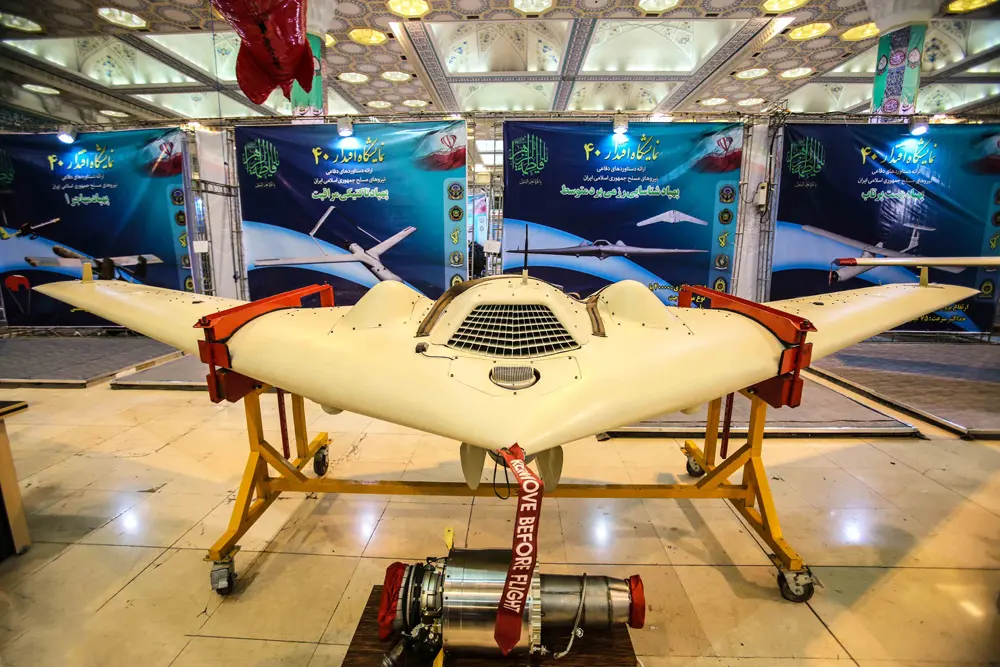
Equipped with an 896 micro-turbojet engine with 110 kgf of thrust (1,078.8 Newtons)
Technical similarity and compatibility with the Tolou-10 micro-turbojet engine (with a nominal power of 1,300 Newtons)
Stealth design with an extremely low Radar Cross-Section (RCS)
Upgraded flight ceiling and speed compared to piston-engine models
Featuring an internal weapons bay to maintain stealth characteristics during combat missions
Capacity to carry two Sadid-342 smart precision-guided bombs inside the fuselage
Sadid-342 armaments benefit from folding wings without the need for a tubular launcher
Shahed 191 (Saegheh-2) Drone; An Advanced Step in the Development of Stealth Flying-Wing Drones
The Shahed 191 drone, also known in the armed forces’ unmanned flight systems classification as “Saegheh-2,” is considered one of the advanced reconnaissance and combat flying-wing models. Like the Shahed 181 model, this aircraft was developed as a 60% scale version of the stealth Simorgh drone; with the fundamental structural distinction that instead of a piston propulsion system, the Shahed 191 is equipped with an efficient turbojet engine to enhance flight performance and penetration capability into enemy air defense networks.
Fundamental Differences Between Shahed 191 and Shahed 181
Examining the technical differences between these two flight classes clearly reveals their operational design philosophy:
Propulsion Type and Aerodynamic Behavior: The Shahed 181 drone uses a propeller (piston) engine, which, in addition to a more limited flight ceiling, causes the rotation of the propeller blades to increase the Radar Cross-Section (RCS). In contrast, the Shahed 191 drone, relying on a turbojet engine, achieves a higher flight altitude and higher cruise speed, a factor that increases survivability in environments controlled by hostile radars.
Weapon Loading and Carriage Method: Due to the lack of an urgent need for complete stealth in the Shahed 181, weapons are mounted in the form of external pylons under the wings. In the Shahed 191, however, with the aim of maintaining the maximum degree of radar concealment during missions, weapons are entirely housed inside an internal compartment or bay (Internal Weapons Bay) so that the geometric protrusion of the bombs does not exacerbate the aircraft’s radar reflection.
Engine Technical Specifications and Flight Capability of Shahed 191
The primary technical characteristic that enhances the operational value of the Shahed 191 is its jet engine:
Engine Type: A lightweight, high-power micro-turbojet designated “Turbojet 896.”
Thrust Power: Generates a force equivalent to 110 kilogram-force (equal to 1,078.8 Newtons).
Engine Origin: Technical assessments indicate that this propulsion unit is highly likely a standardized model based on the indigenous “Tolou-10” micro-turbojet, whose nominal maximum power reaches 1,300 Newtons of force.
Utilizing this turbojet engine allows the Shahed 191 drone to reach optimal operational altitudes with higher efficiency and carry out precision strike missions and tactical reconnaissance within the radar coverage of hostile air defense systems with minimal possible tracking.
Weaponry Capabilities and Carryable Munitions of Saegheh-2
In the field of offensive operations, the internal fuselage bay of the Shahed 191 (Saegheh-2) drone has the capability to carry and release two Sadid-342 smart precision-guided bombs.
Aerodynamic Structure of the Sadid-342 Smart Bomb:
Folding Fins: Sadid-342 munitions are designed in such a way that their control surfaces fold toward the body to occupy minimal space inside the weapons bay.
No Dependence on Tube Launchers: Unlike the missiles of the “Sadid-1” platform, this bomb does not require a canister or tube for firing and is released immediately after the doors of the internal fuselage compartment open.
Difference from Sadid-345: In contrast to the precision-guided weapons of the “Sadid-345” family, which feature large fixed fins, the folding design of the Sadid-342 provides maximum compatibility with the dimensions of the internal bay of the stealth Shahed 191 drone.