Tuesday, November 10, 2026 · London 15:37 · Washington 10:37

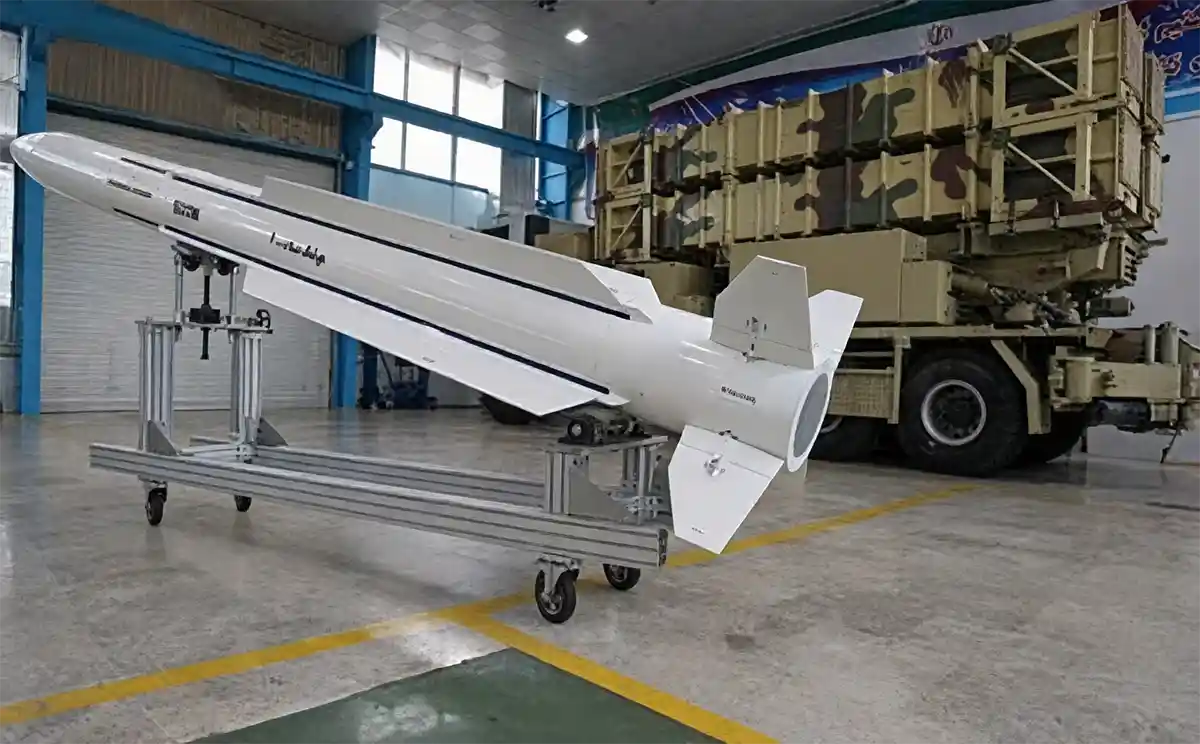
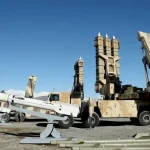
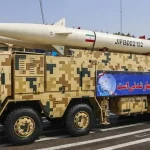
The Sayyad family of air defense missiles represents an advanced series of surface-to-air missiles (SAMs) manufactured by the Ministry of Defense of the Islamic Republic of Iran, developed to engage a variety of aerodynamic targets, manned and unmanned aircraft, cruise missiles, and high-altitude threats across various operational ranges. This family includes the Sayyad-1, Sayyad-2, Sayyad-3, and Sayyad-4/4B generations, forming the backbone of indigenous air defense systems such as “Talash,” “15 Khordad,” and “Bavar-373.”
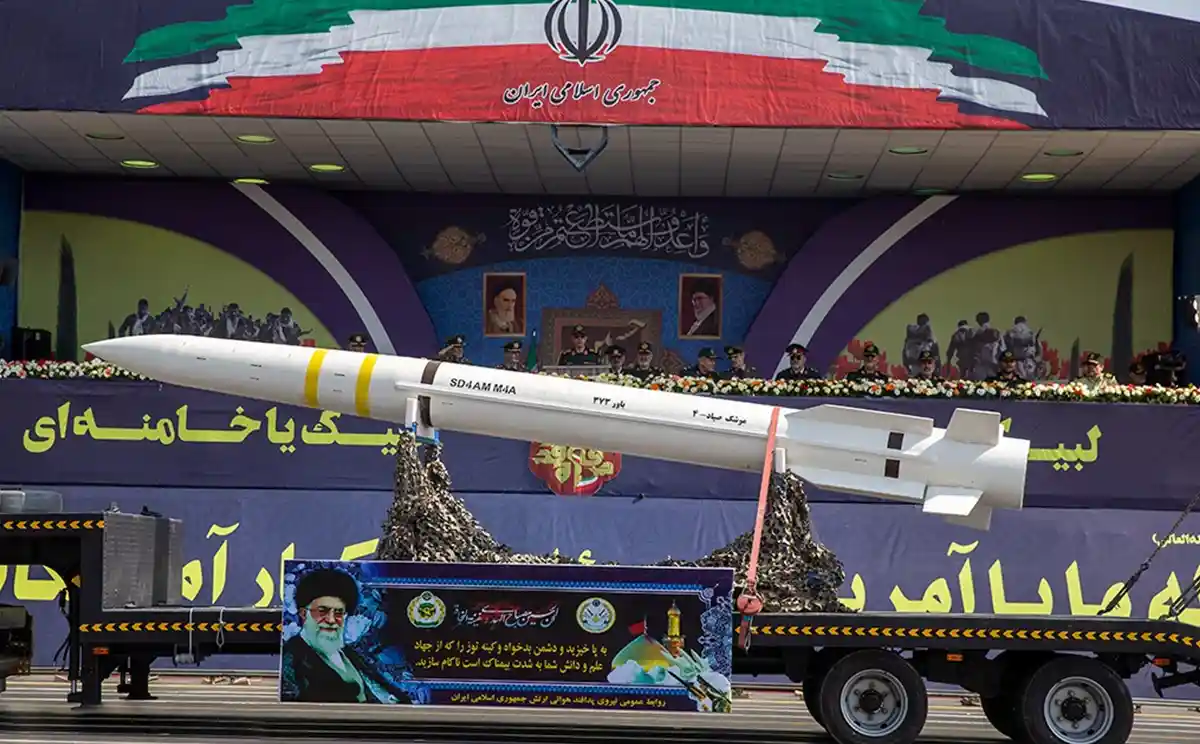
Developing effective deterrence in today’s volatile global security environment requires multi-layered and indigenous air defense systems. In recent decades, relying on domestic capabilities, the Islamic Republic of Iran has transformed its air defense umbrella into one of the most powerful in the region. Amidst this, the Sayyad family of air defense missiles, serving as the primary firepower arm across various ranges, plays a key role in safeguarding the nation’s airspace.
The initial generations of the Sayyad missile were developed to address basic medium-altitude air defense requirements and establish engineering infrastructure for surface-to-air missiles. This missile laid the foundation for localizing solid-propellant propulsion technologies and early guidance systems within the nation’s defense industries.
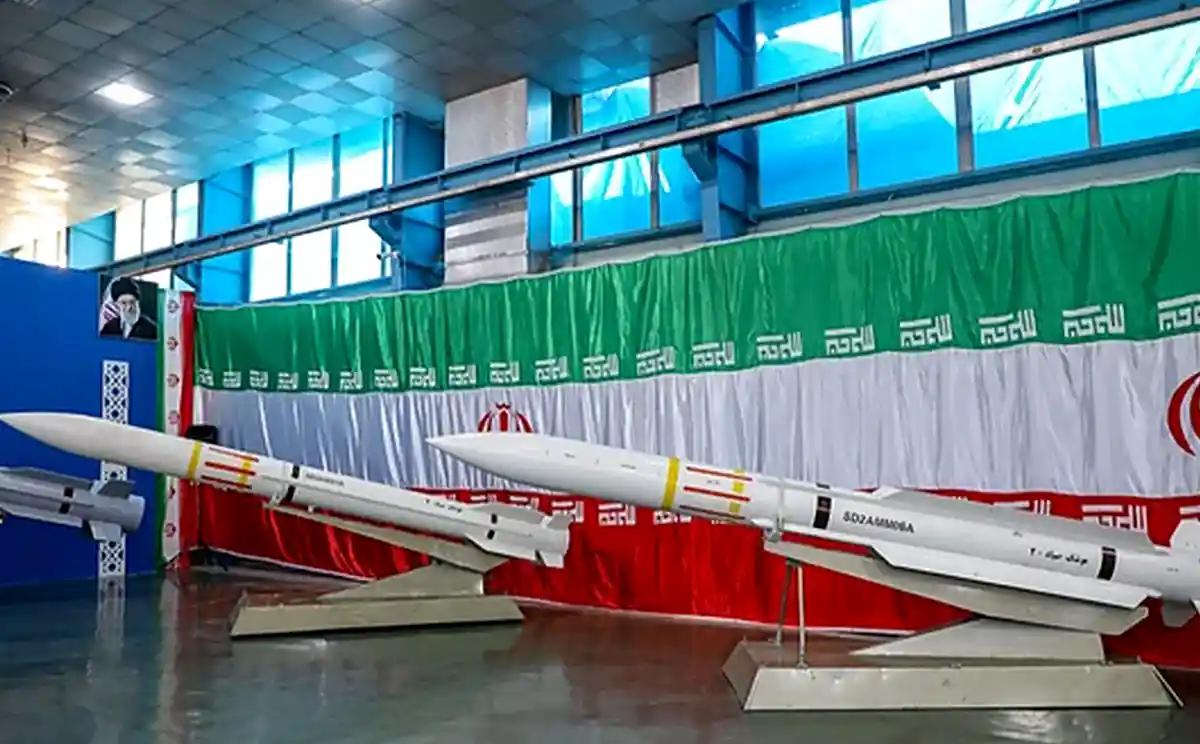
With advancements in electronic equipment and guidance systems, the second generation of Sayyad missiles was introduced with fundamental changes in aerodynamics and flight structure. In its specialized reports on the Sayyad-2 production line, Tasnim News Agency emphasized the missile’s capability to destroy modern aerodynamic targets. This generation played an effective role in operationalizing layered air defense systems.
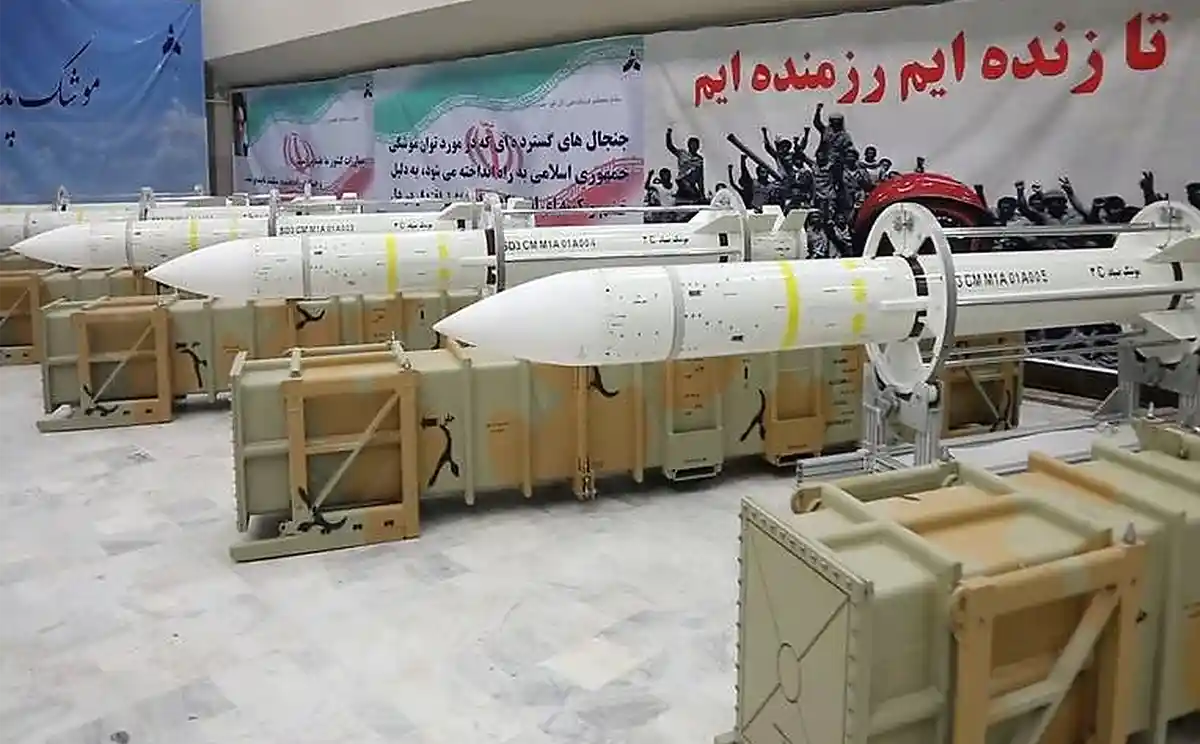
The Sayyad-3 missile marked a significant stride toward bringing Iran’s air defense into the long-range arena. According to reports published by IRNA, this missile features a hybrid guidance system and advanced active, semi-active, and infrared (IR) seekers, which drastically enhance its performance under electronic warfare conditions. Sayyad-3 also plays a key role in the combat organization of the “15 Khordad” air defense system.
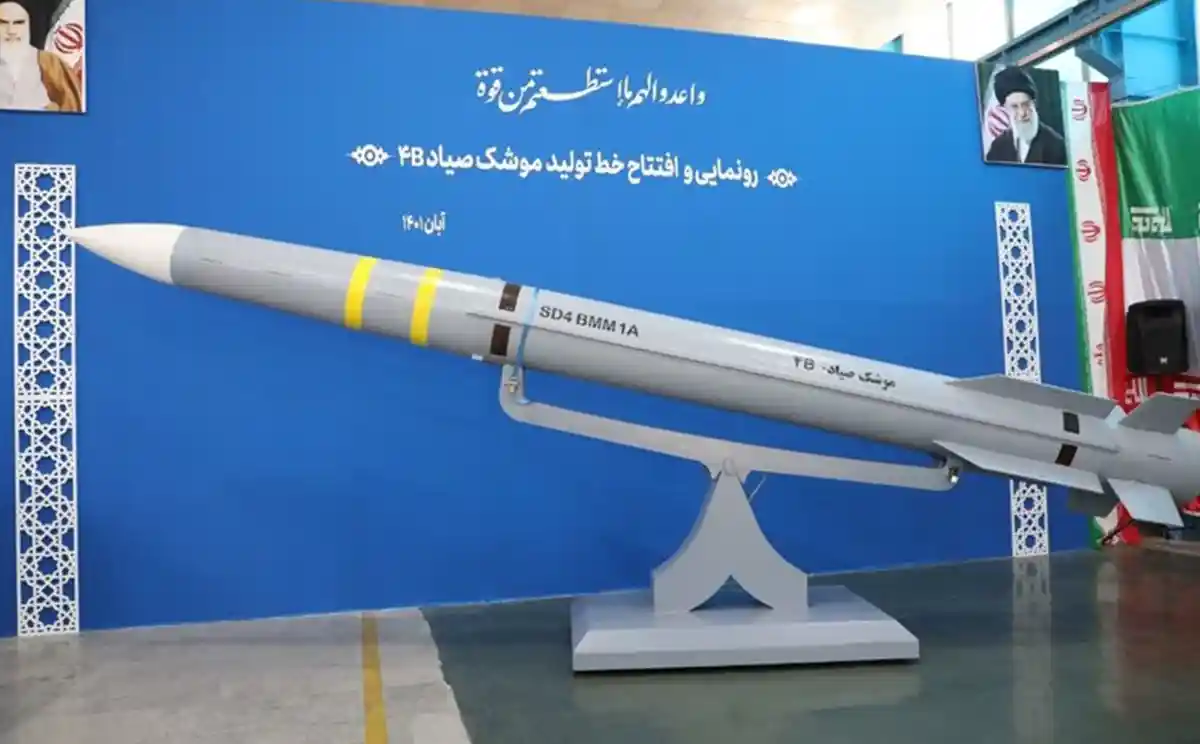
With the introduction of the new Sayyad missile generations—designated Sayyad-4 and the upgraded 4B version—Iran’s strategic defense capability experienced a fundamental leap. In November 2022, Tasnim and IRNA reported the upgrade of the Bavar-373 air defense system with the Sayyad-4B missile. According to these reports, the engagement range of the Bavar-373 system utilizing this missile has increased to 300 kilometers, while its detection and tracking radars are capable of identifying targets at distances exceeding 450 kilometers.
The efforts of the country’s defense engineers have not been limited to land-based systems. In its specialized reports, Fars News Agency highlighted the deployment and successful firing of naval variants of Sayyad air defense missiles (such as Sayyad-3G and related developments) aboard the Islamic Republic of Iran Navy’s combat vessels and modern warships, significantly enhancing the nation’s maritime deterrence in fleet air defense.
As a prominent symbol of indigenous aerospace industry advancement, the Sayyad family of air defense missiles has successfully covered all layers of the Islamic Republic of Iran’s air defense, ranging from medium to strategic long-range capabilities. The integration of these missiles with advanced radars and modern systems such as 15 Khordad and Bavar-373 has securely and robustly solidified the nation’s air defense umbrella against modern aerial threats and fifth-generation aircraft.