CENTCOM’s Psychological Operations Fail in the Strait of Hormuz
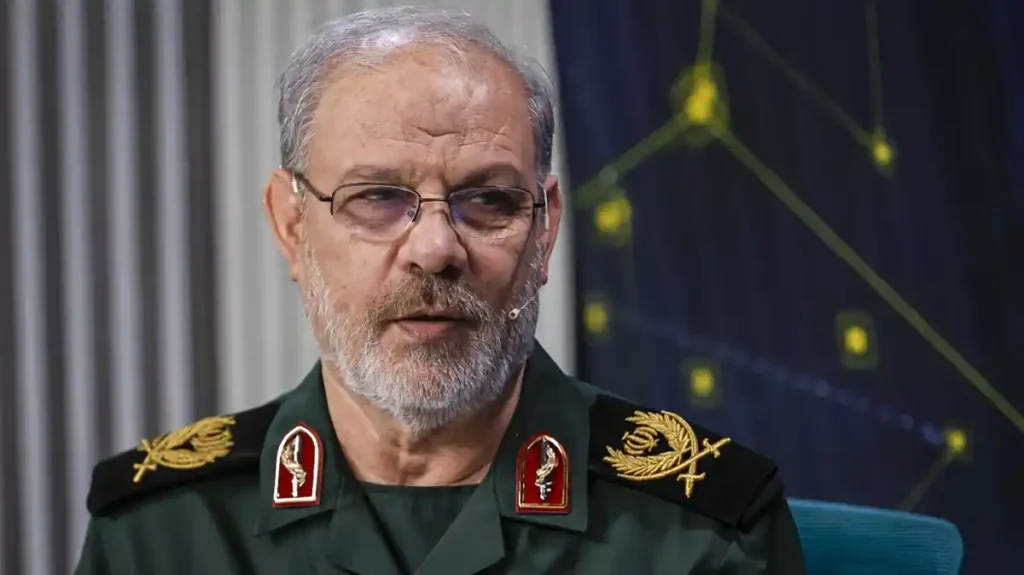
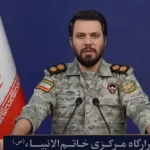
The Spokesperson for the Islamic Revolutionary Guard Corps dismissed recent claims by the United States Central Command (CENTCOM) regarding the security situation in the Strait of Hormuz as part of a failed propaganda campaign. In a firm message, Brigadier General Hossein Mohebbi emphasized that the security of this strategic bottleneck is a function of Iran’s battlefield might, rather than fabricated narratives circulated in virtual space to mislead public opinion.
History Turns at Strategic Bottlenecks
Comparing the current U.S. approach to the decline of 20th-century colonial powers, Brigadier General Mohebbi recalled the 1956 Suez Crisis—a turning point in the collapse of British influence—and warned American officials that history does not favor hegemonic powers at the world’s strategic chokepoints.
This blunt message responds to CENTCOM’s efforts to legitimize its regional presence and project insecurity in waterways under the precise, indigenous control of the Islamic Republic of Iran.
Demanding Proof: The End of Statement-Writing
Challenging CENTCOM’s claims regarding minesweeping operations or crisis management in the Strait of Hormuz, the IRGC Spokesperson dismissed them as devoid of operational value. He stated:
“Prove your claims of Hormuz minesweeping with independent evidence, not statements!”
This stance reflects a paradigm shift in confronting the U.S.; an era where “claims” made without “field evidence” were met merely with silence or indifference has now been replaced by active interrogation and the undermining of the adversaries’ media and military credibility. As the IRGC Spokesperson emphasized, the reality of the battlefield is the sole criterion possessing authenticity and validity in the geopolitical equations of the Persian Gulf.