Tuesday, November 10, 2026 · London 15:19 · Washington 10:19

The development of suicide drones—or layered guided loitering munitions—has fundamentally transformed the calculus of both asymmetric and conventional warfare. As a prominent symbol of Iran’s defense industry capabilities in loitering munition engineering, the Arash drone is distinguished by unique features such as runway-independent launch capability and an exceptionally long operational range. This article examines the technical specifications, distinctions between the base variant and the Arash-2, propulsion systems, operational deployment tactics, and official news agency documentation.
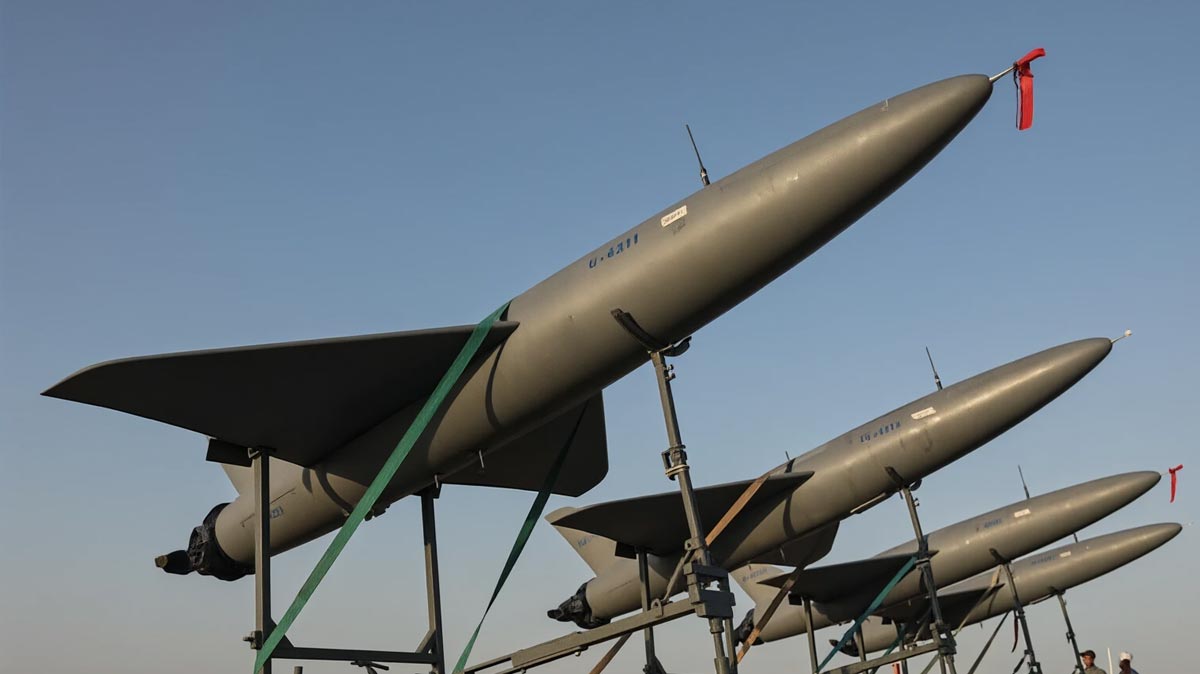
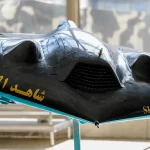
The Arash suicide drone (especially the advanced Arash-2 variant) stands among the most sophisticated and long-range unmanned suicide weapons of the Islamic Republic of Iran, engineered to strike critical targets, enemy radars, and strategic infrastructure at strategic ranges. Driven by a piston-propeller engine, boasting an estimated operational range exceeding 2,000 kilometers, capability for launch from road-mobile launchers or even warships (such as the Sahand destroyer), and guidance via advanced imaging and optical systems, this drone has transformed into a key pillar of the nation’s deterrence.
In recent decades, suicide drones (loitering munitions or wandering projectiles) have secured a unique status in global military doctrines due to their significantly lower production cost compared to cruise and ballistic missiles, coupled with high precision and low-altitude maneuverability. By making extensive investments in this sector, the Islamic Republic of Iran has developed a family of suicide drones, with the Arash drone serving as one of its most prominent and widely discussed models in global military media.
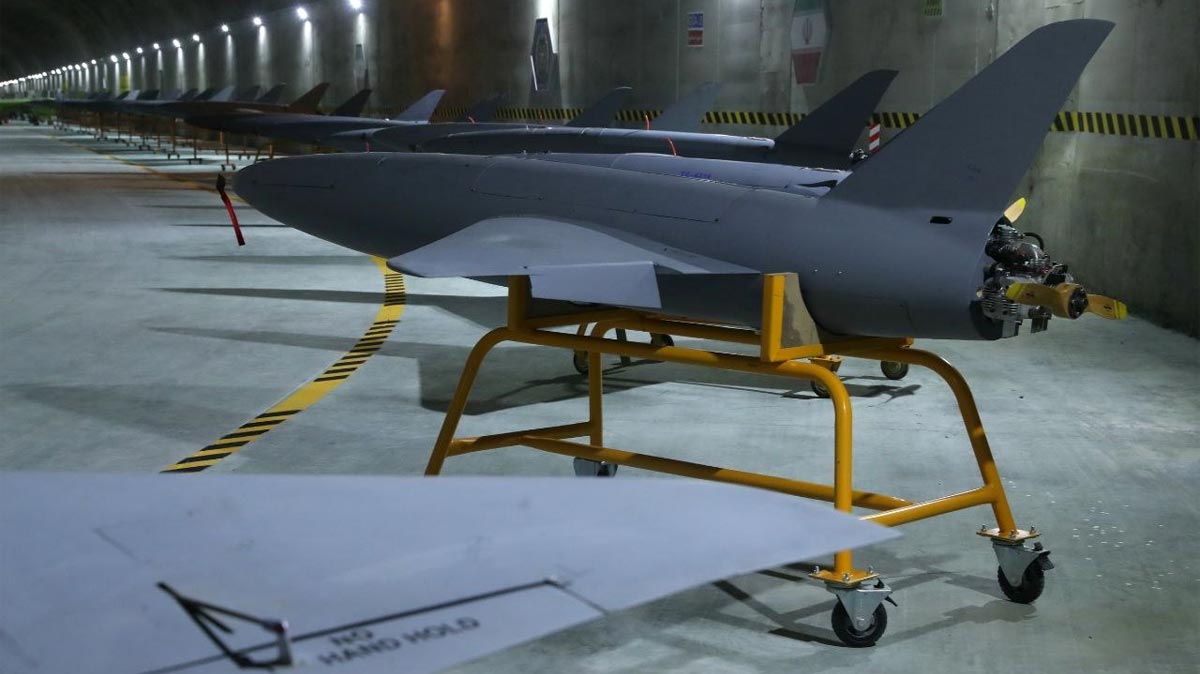
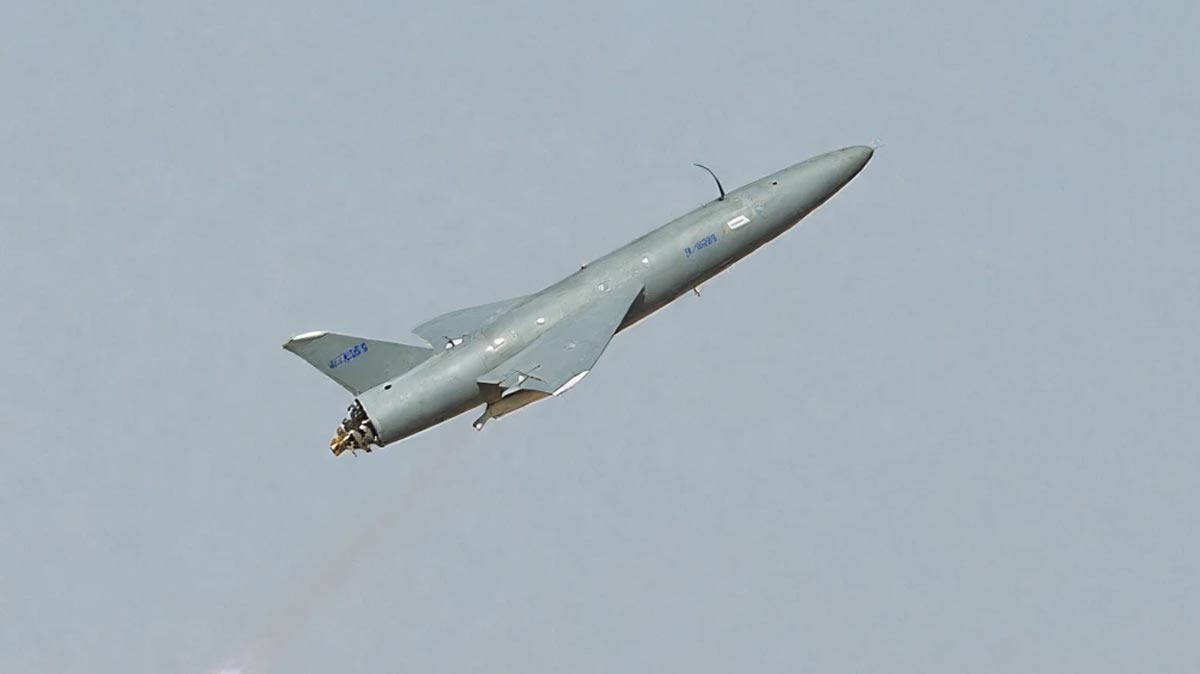
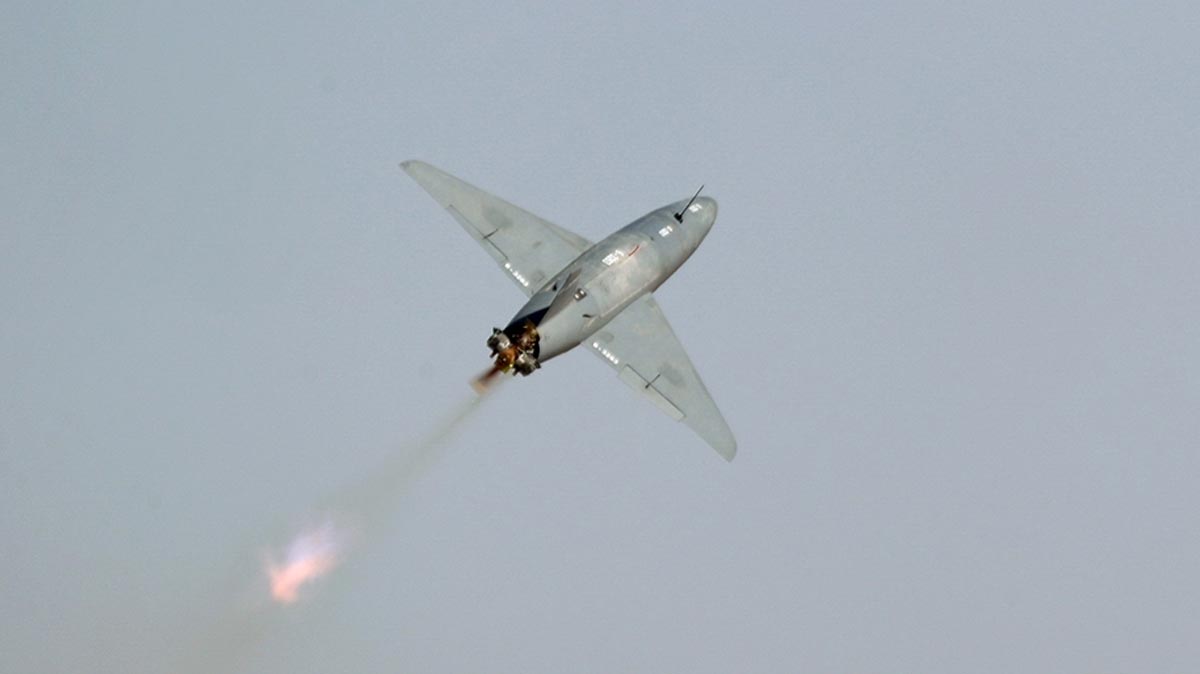
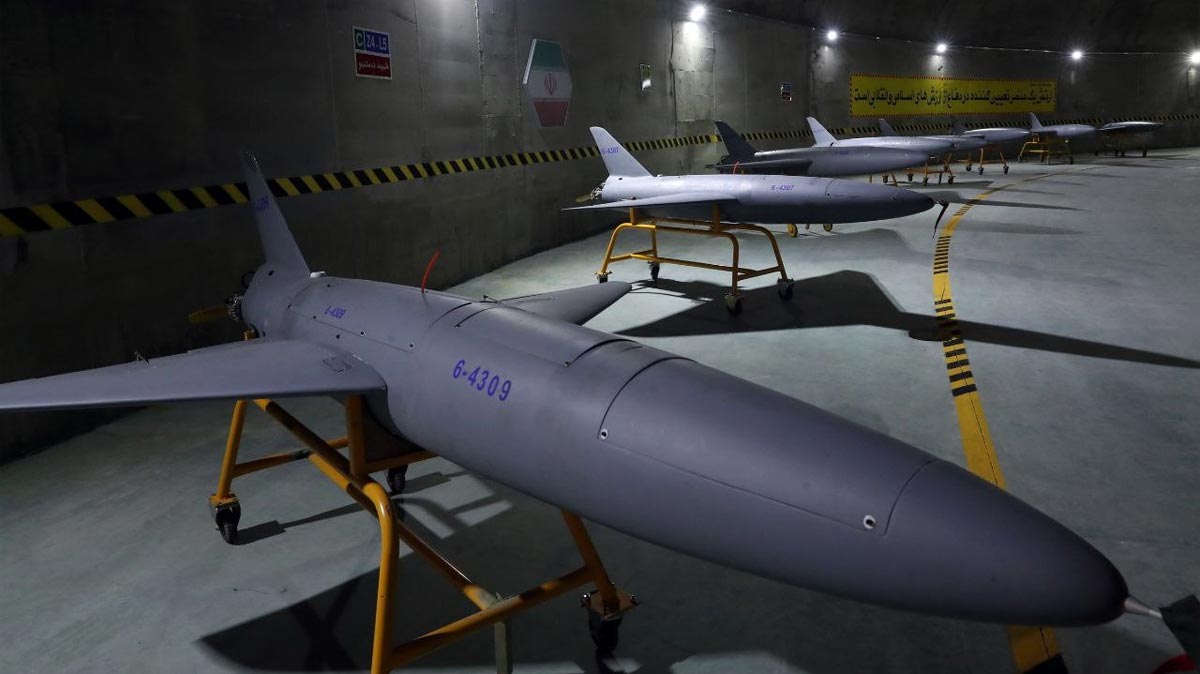
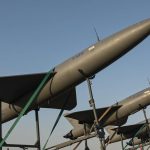
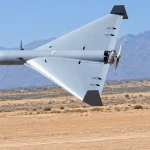
The Arash drone features a distinctive aerodynamic design comprising delta wings (or swept-forward wings in certain early configurations) and a rear- or front-mounted piston-propeller engine:
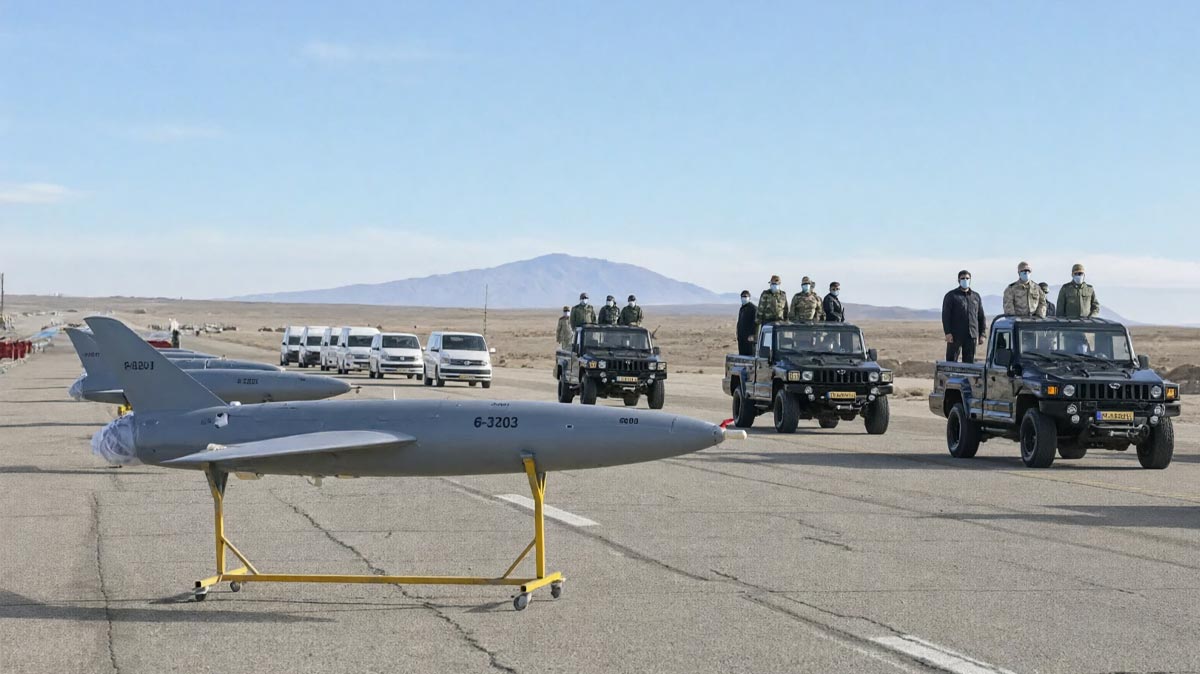
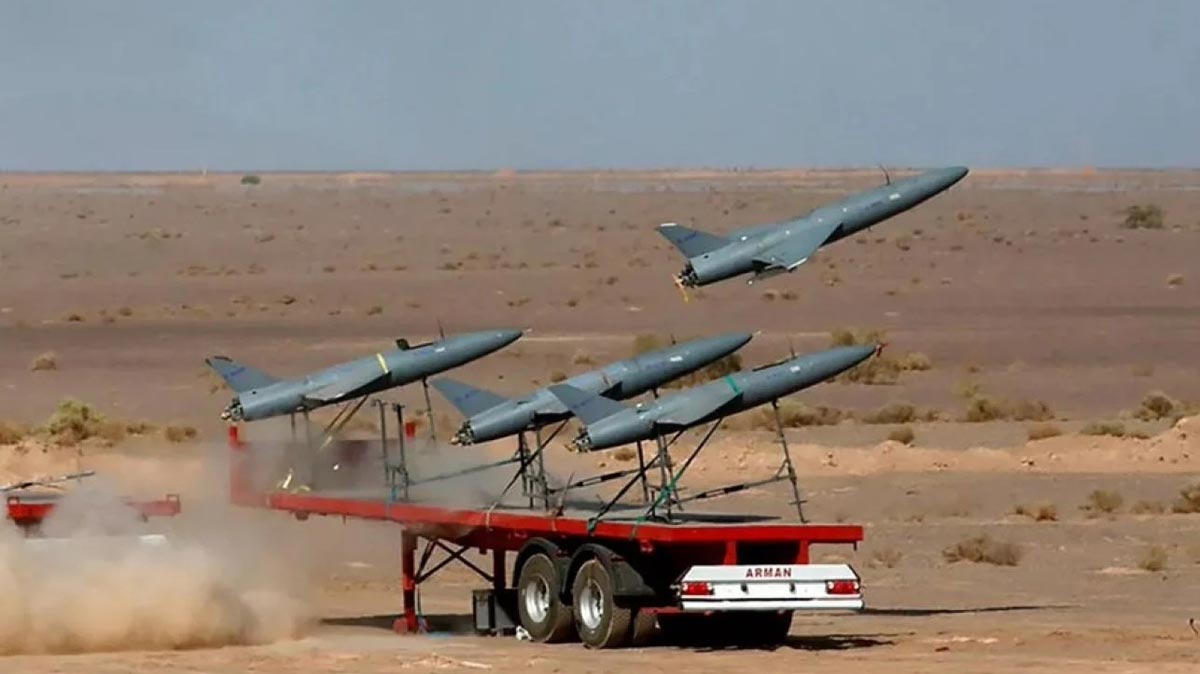
One of Arash’s greatest tactical advantages is its independence from traditional runways:
Although the initial variant of the Arash suicide drone possessed significant capabilities, its upgraded version, designated Arash-2, showcased new dimensions of Iran’s deterrence:
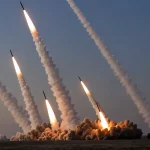
The performance of the Arash drone has been showcased repeatedly in major joint exercises of the Armed Forces of the Islamic Republic of Iran. Official state news agencies, including IRNA, have highlighted successful tests of these suicide drones in realistic naval and coastal scenarios during their detailed reports on the joint Zolfaqar military exercises. These drills demonstrated Arash’s ability to destroy coastal and maritime targets with high precision.
The Arash suicide drone (and its advanced Arash-2 variant) serves as a clear exemplar of Iran’s asymmetric and ingenious defense industry design capabilities. By combining features such as an operational range exceeding 2,000 kilometers, runway-independent launch, precision guidance, and cost-effective production, this aircraft has become a primary instrument for strategic deterrence and retaliatory strikes within the nation’s military doctrine.