Tuesday, November 10, 2026 · London 15:37 · Washington 10:37

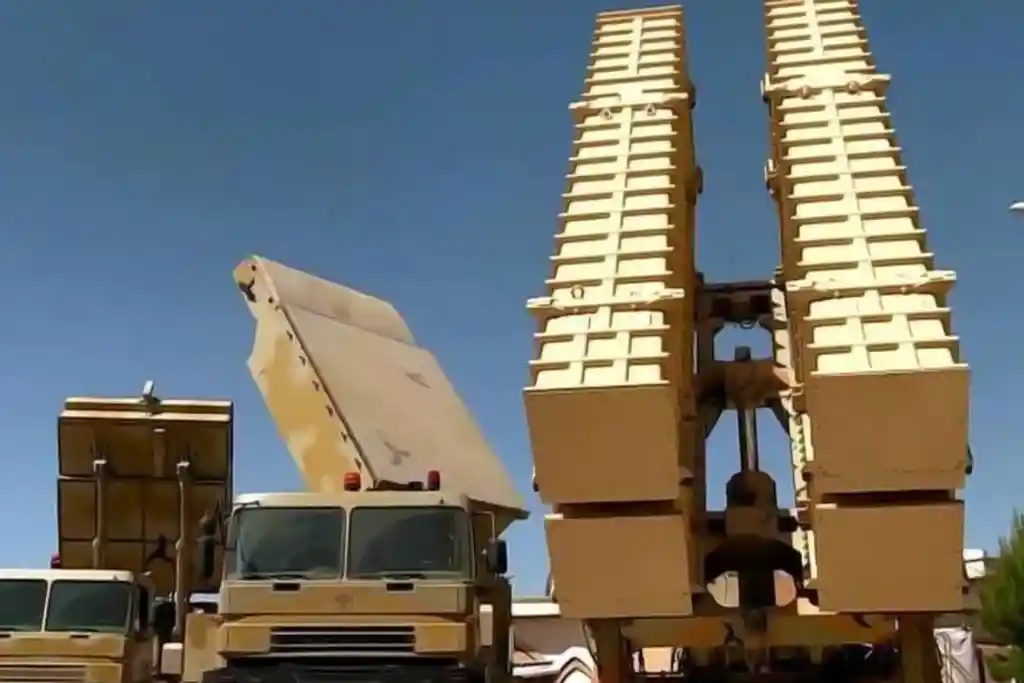
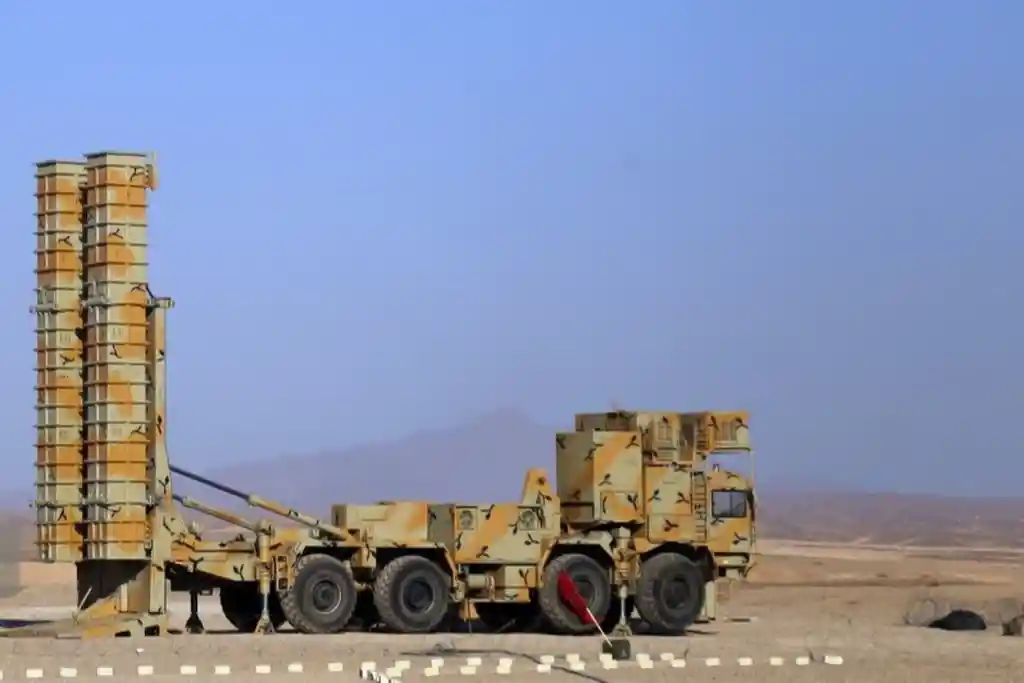
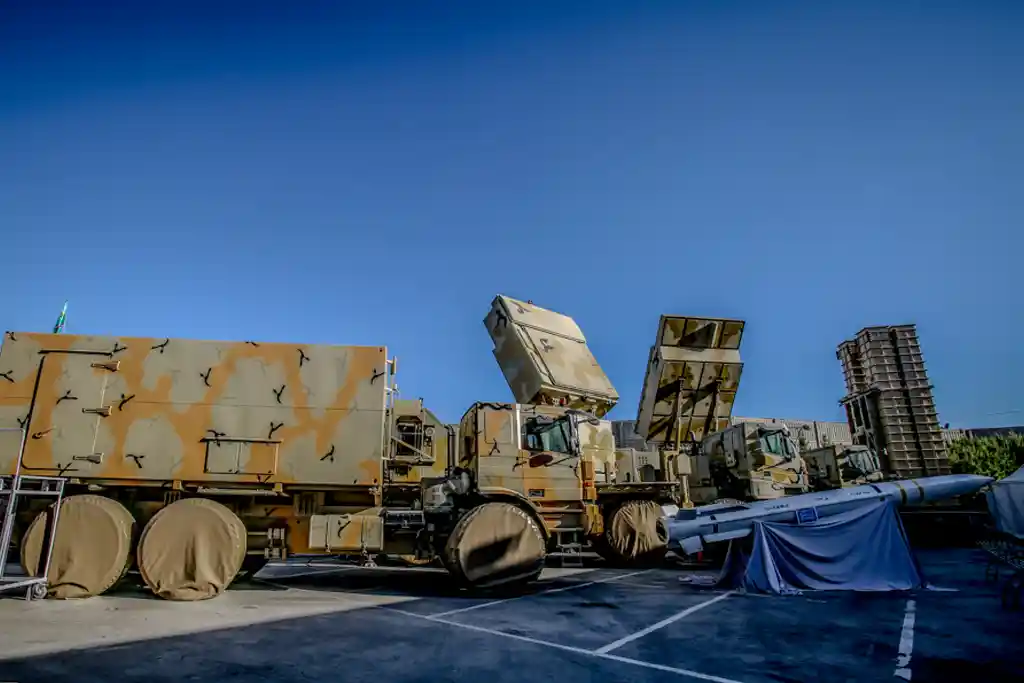
The Bavar-373 system stands as a hallmark of power and self-reliance within Iran’s defense industry in the realm of strategic air defense. This article examines the architecture, radars, technical features of the Sayyad-4B missile, recent upgrade trajectories, and its role in the country’s defense doctrine based on official news agency records.
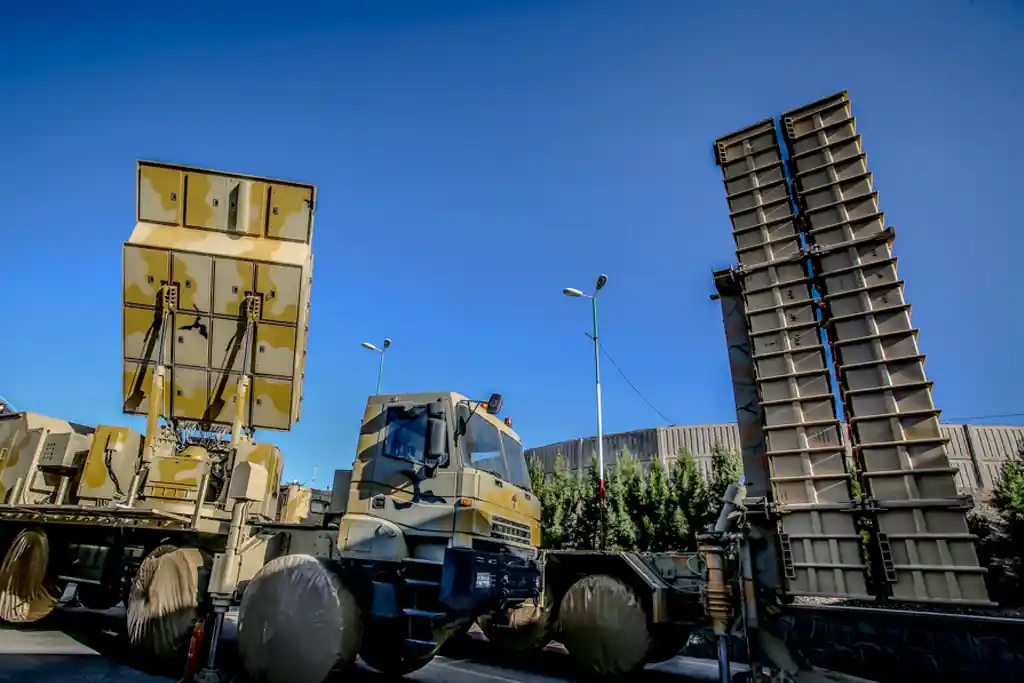
The Bavar-373 air defense system is the Islamic Republic of Iran’s most advanced long-range missile defense system, designed to destroy various aerodynamic targets, fifth-generation stealth aircraft, ballistic missiles, and high-altitude cruise missiles. Utilizing advanced phased-array radars and solid-propellant missiles of the Sayyad family (particularly the Sayyad-4 and 4B), this system is capable of tracking and destroying targets at distances exceeding 300 kilometers.
In the modern threat environment, possessing a layered and integrated air defense umbrella is a vital requirement for any nation’s national security. Dependence on foreign systems has historically exposed countries to security vulnerabilities and arms embargoes. In response, experts within the defense industries of the Islamic Republic of Iran designed and developed the Bavar-373 air defense system, securing a prominent position among the world’s advanced air defense technology holders.
One of the core strengths of the Bavar-373 system lies in its radar subsystem, which is responsible for target detection, identification, and tracking. According to reports published by IRNA and Tasnim News Agency, the system’s search radar is capable of identifying standoff targets and enemy aircraft at distances exceeding 450 kilometers and precisely tracking them within a 405-kilometer range.
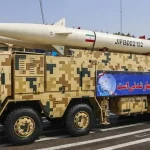
An air defense system’s true combat power depends on its missiles. In the upgraded version of the Bavar-373 unveiled in November 2022, the advanced Sayyad-4B missile was introduced. Fars News Agency reported that with the integration of this missile, the Bavar-373’s engagement range increased to 300 kilometers, while its engagement altitude reached between 27 and 32 kilometers.
A major challenge in modern warfare is the emergence of fifth-generation fighters and stealth drones. Traditional air defense systems struggle to detect such targets; however, thanks to advanced digital radars and modern signal processing algorithms, the Bavar-373 possesses the capability to detect and counter stealth aircraft. IRNA emphasized in a report that the system has been optimized to address next-generation threats and stealth fighters.
Characterized by high mobility, independence from liquid fuels, Vertical Launch Systems (VLS), and the ability to engage multiple targets simultaneously, the Bavar-373 ranks among the world’s modern air defense systems. It provides a reliable strategic defense layer for the country against a wide spectrum of threats, including ballistic missiles, cruise missiles, and strategic enemy aircraft.
The Bavar-373 air defense system is a clear symbol of technological maturity within Iran’s indigenous aerospace industry. Continuous development of the system—including the integration of the Sayyad-4B missile and the upgrading of detection and engagement ranges to over 450 and 300 kilometers, respectively—demonstrates the dynamism and responsiveness of the nation’s defense sector to modern threat scenarios.