How Does the Strait of Hormuz Strengthen Iran’s Deterrence?
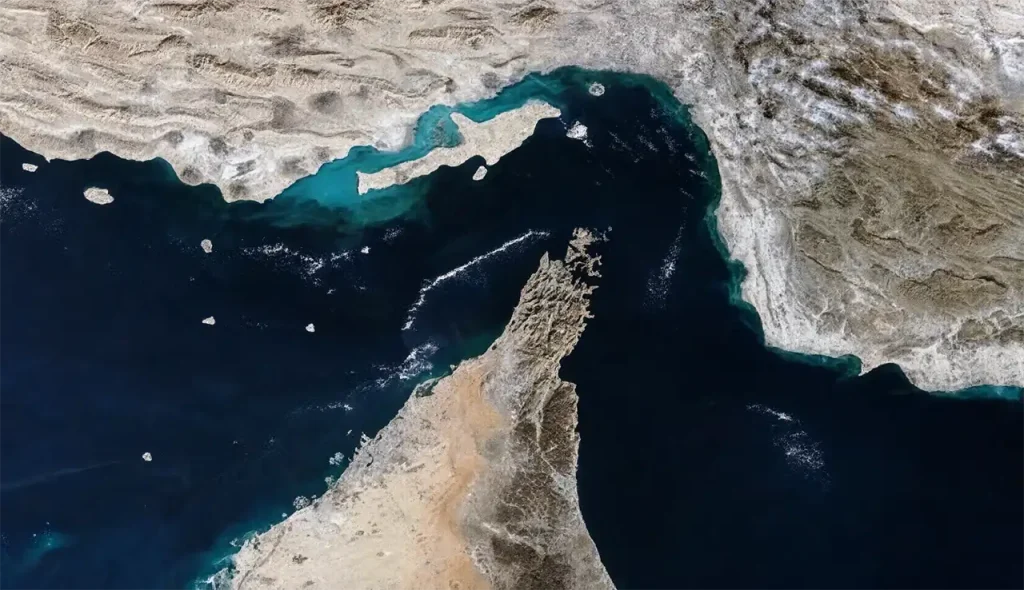
The Strait of Hormuz matters to Iran for two reasons: its location off the country’s southern coast and its role in global shipping and energy trade. This narrow waterway connects the Persian Gulf to the Gulf of Oman. A conflict in or around the strait could therefore affect not only the parties involved but also commercial shipping and energy markets.
That possibility matters in deterrence calculations. Any party weighing military action must consider not only the direct costs of a conflict but also the risk of escalation and its economic consequences. This deterrent effect is distinct from the ability to fully control the waterway or sustain a disruption to shipping. The strait’s strategic importance alone demonstrates neither capability.
The Strait of Hormuz in Iran’s Maritime Defense
The location of Iran’s southern coastline and islands gives the security of the Strait of Hormuz and its surrounding waters a prominent place in the country’s maritime defense planning. This helps explain why both Iran’s regular navy and the Islamic Revolutionary Guard Corps (IRGC) Navy focus on the area.
From this perspective, deterrence is not just about the ability to respond after an attack. Even before hostilities begin, the risk that a confrontation could spill over into commercial shipping lanes factors into assessments of its potential costs. The effects would not be limited to military forces: civilian shipping and the economies of countries in the region could also be affected.
Why Iran’s Defense Capabilities Extend Beyond the Strait of Hormuz
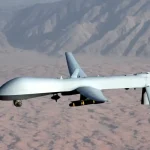
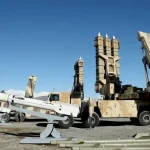
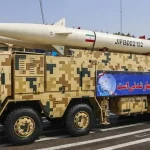
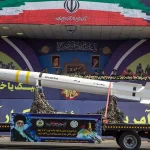
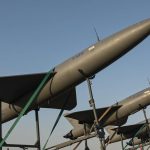
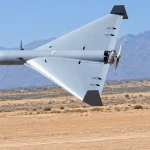
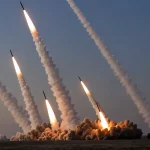
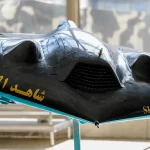
The Strait of Hormuz gives Iran’s deterrence a maritime dimension, but the country’s defense capabilities rest on other foundations as well. Iran’s size and varied terrain, along with its air defense network and its missile and drone capabilities, all play roles that extend beyond the waterway.
The Role of Iran’s Defense Industry, Personnel, and Resilience
The ability to produce and maintain equipment domestically helps sustain defense readiness, particularly when imports are restricted. Trained personnel and societal resilience also matter in prolonged crises. These factors may receive less attention in international discussions than the strait’s strategic location, but they are essential to understanding how Iran sustains its defense capabilities.
The Strait of Hormuz matters because it links the potential consequences of a local confrontation to the security of shipping and energy trade. That link adds a distinct dimension to Iran’s deterrence, but it cannot substitute for the country’s geographic, industrial, and human resources.