
Shifting the Strategic Balance: Washington’s Failure to Paralyze Iran’s War Machine
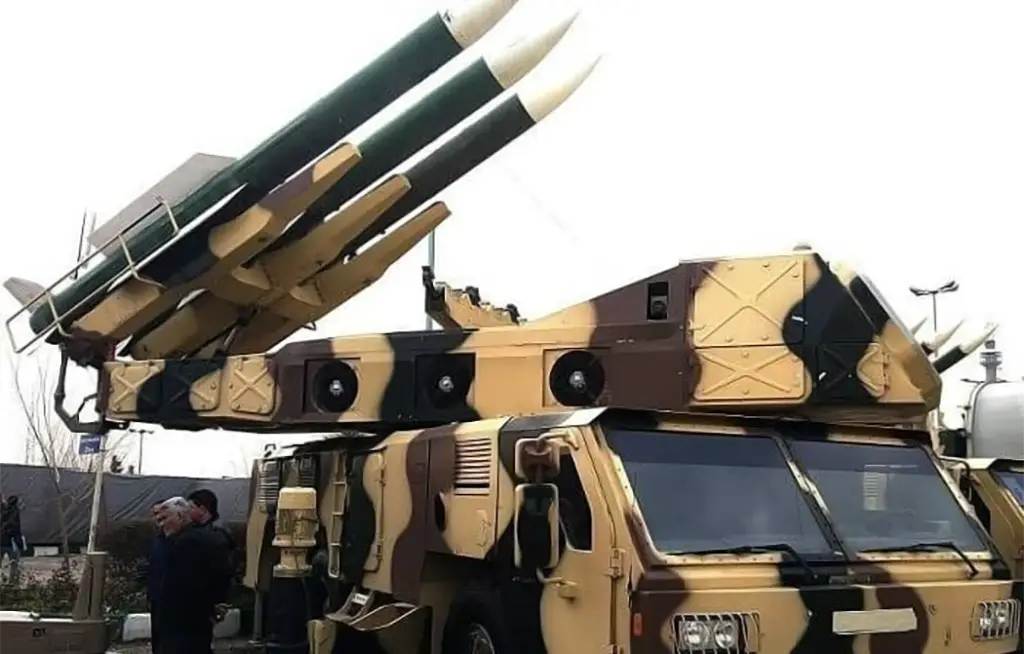
As the United States and certain regional actors intensified their “maximum pressure” campaign and direct military threats based on the premise of collapsing Iran’s defensive foundation, developments on the ground and in the industrial sector painted a different reality. Evidence indicates that not only was the country’s deterrent will left uncompromised, but the national self-reliance strategy successfully insulated military infrastructure against airstrikes and comprehensive sanctions, challenging the analytical credibility of Western think tanks.
Structural Leap: From Arms Dependency to 90% Self-Sufficiency
One of the most fundamental components of the country’s defensive sustainability in recent years has been transitioning from dependency to comprehensive self-reliance. According to official statistics from the Ministry of Defense and Armed Forces Logistics:
- Indigenous Production of Over 1,000 Product Lines: Key systems, munitions, combat platforms, and weapons are manufactured within domestic production lines.
- A 90% Self-Sufficiency Rate: Comparing this figure with the nearly 90% dependency rate prior to the Islamic Revolution highlights a strategic transformation in military engineering infrastructure.
- Participation of 9,300 Knowledge-Based Companies: The involvement of this decentralized network of private and academic enterprises has provided exceptional flexibility to the supply chain, minimizing the vulnerability of logistical bottlenecks in the face of foreign threats.
According to official estimates by military commanders, the production volume of strategic missile and drone items surged exponentially between the 12-day conflict in 2025 and the hostilities of 2026, increasing twofold to several times above previous capacity in certain categories.
Operational Resilience and Underground Production of Drones and Missiles
Contrary to initial Pentagon expectations of severe disruption to the Iranian arms production chain, military infrastructure reorganized to maintain logistical support for the conflict theater:
1. Consolidating the Drone Balance in Asymmetric Warfare
Unmanned aerial vehicles (UAVs), as one of the pillars of Iran’s asymmetric defense doctrine, were rebuilt and deployed to operational lines with such speed and flexibility that, according to reports by Western research institutions including the CSIS think tank, the response rate of Iran’s value chain defied standard analytical models.
2. Immunity of Arsenals and Underground Launch Centers
Although certain surface facilities sustained damage in military attacks, the network of missile cities, deep-underground munitions depots, and subsurface launch sites remained secure, keeping the deterrence apparatus at the highest level of rapid-response readiness. Moving beyond mere reverse engineering, Iran has achieved the full cycle of indigenous research, development, and design.
Western Media Admissions of the US Strategy’s Deadlock
The scale of Iran’s military endurance and capacity regeneration has been clear enough for leading international media outlets to acknowledge the failure of the US doctrine:
- The New York Times: Citing US intelligence assessments, the paper reported that Iran retained over 70 percent of its pre-war missile stockpiles, and that underground launch and loading bases returned to full operational readiness.
- Foreign Affairs and The Guardian: In specialized analyses, they described the continuation of maximum pressure as a “strategic deadlock,” highlighting the West’s inability to dismantle missile power or impose surrender terms on Tehran.
- The New Yorker: Noting that six months had passed since the onset of critical developments, the publication stated that Washington’s initial objectives were not achieved and the erosion of leverage to contain Iran had become evident.
Repercussions of Miscalculations by Washington’s Regional Partners
The reliance of certain Arab governments backing the US strategy on the premise of halting Iran’s defensive rhythm brought costly security consequences for them. The insecurity of shipping corridors, unprecedented surges in cargo transit and maritime insurance costs, and uncertainty surrounding investment stability illustrated the price of aligning with the escalation of conflict.
The message of Iran’s defensive maneuvers and industrial surges for the future of regional equations is decisive: an infrastructure established and upgraded through decades of sanctions and direct battlefield engagement will not be dismantled by superficial strikes or temporary shocks; the will to resist, coupled with indigenous engineering capability, confronts any estimate reliant on Iran’s surrender with maximum costs.