Deterrent Confrontation: Washington’s Threats and Tehran’s Cost-Benefit Calculus
A fresh wave of rhetoric from American officials has once again directed the regional security calculus toward the resilience of Iran’s military and defense infrastructure. In a recent interview with Newsmax, the U.S. President addressed the potential targeting of the strategic Kuh-e Kolang area adjacent to the Natanz nuclear site, referencing operational scenarios involving heavy conventional munitions colloquially known as the “Mother of All Bombs” (MOAB). Western media outlets such as Reuters and CNN have similarly reported deliberations within Pentagon circles over these options, though no definitive operational orders have been confirmed.
In response to these developments, the defense establishment of the Islamic Republic of Iran has stressed that the scope of any potential conflict will not be confined to pre-designated targets. Any strikes against national infrastructure will trigger a far heavier retaliatory blow, expanding the theater of operations to regional Washington-linked installations and energy supply lines, alongside the strategic disruption of critical transit routes across the Persian Gulf.
2.5-Fold Surge in Arms Production and the Sustained Warfare Doctrine
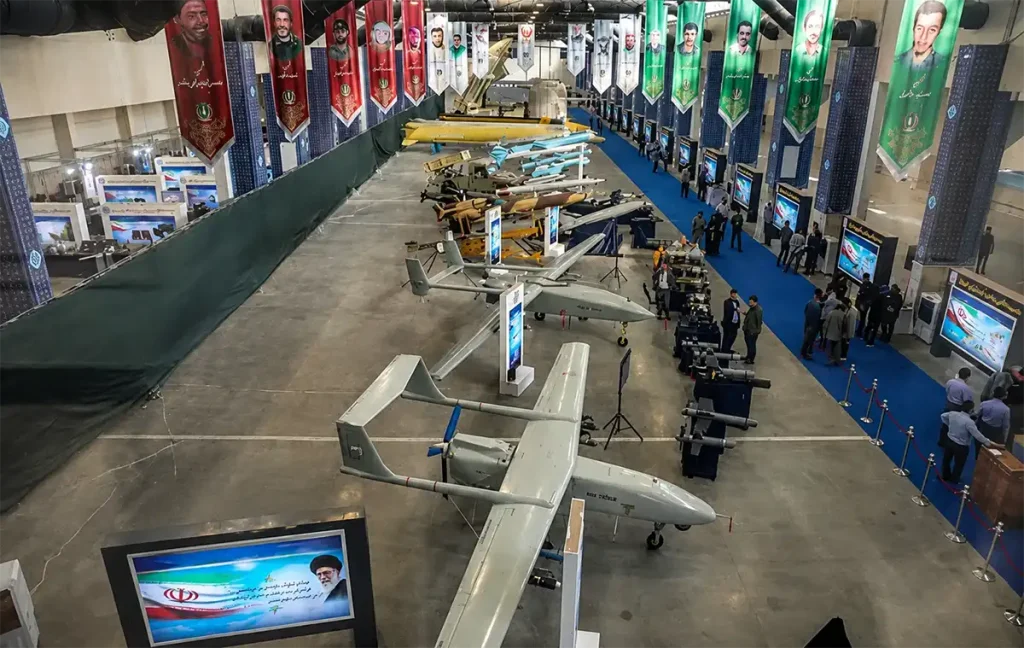
Reza Talaei-Nik, Spokesperson for the Ministry of Defense and Armed Forces Logistics, confirmed that retaliatory strike targets have been identified and prepared, emphasizing that the armed forces have operationalized battle plans for prolonged confrontation. According to Talaei-Nik, indigenous defense manufacturing during the seven-month period following the recent war expanded 2.5 times compared to the equivalent prior timeframe.
Key pillars underpinning supply chain resilience and production continuity within the country’s updated defense doctrine include:
- Dispersing Production Lines Across Secure, Parallel Bunkers: Distributing industrial workshops to neutralize potential airstrikes and ensure unhindered supply chain operations.
- Harnessing Knowledge-Based Enterprises: Integrating private-sector engineering capabilities and elite technical networks into the manufacturing of critical sub-assemblies and strategic munitions.
- Manufacturing Over 1,000 Defense Systems and Components: Achieving self-reliance across an extensive spectrum of offensive platforms and consumable ordnance to withstand protracted attrition scenarios.
Upgrading the Integrated Air Defense Network Against Hybrid Offensive Operations
Lessons drawn from recent engagements have accentuated the operational necessity of multi-layered coordination against incoming missile salvos, loitering munitions/drones, and electronic warfare environments. Operational command reports indicate that rapid repair and upgrading of damaged radar systems and surface-to-air missile batteries, the proliferation of integrated detection and tracking grids, and joint air-defense interoperability across ground and naval forces constitute the primary recovery priorities for safeguarding critical infrastructure.
Strategic Implications of Nominating Mehrdad Akhlaghi Ketabchi as Defense Minister
The nomination of Mehrdad Akhlaghi Ketabchi to head the Ministry of Defense at this critical juncture directly aligns with the operational management of war industries under crisis conditions. His extensive executive background within the Aerospace Industries Organization (AIO) and deep oversight of ballistic missile development and propulsion systems address two central priorities:
- Accelerating the synchronization of industrial manufacturing lines with dynamic operational requirements on the battlefield.
- Hardening logistics conduits to guarantee rapid maintenance, repair, and replenishment cycles for offensive and defensive arsenals.
Taken together, Tehran’s reliance on mutual deterrence anchored in industrial resilience reflects a calculated shift from symbolic posturing toward rigorous industrial-scale readiness—where domestic manufacturing survivability and logistical endurance serve as the decisive arbiters in any imposed escalation.