4 October 2026, Sunday | ساعت 03:10
AR EN FA

Shahed-129 Drone; Technical Specifications, Combat Power, and Reconnaissance Capabilities

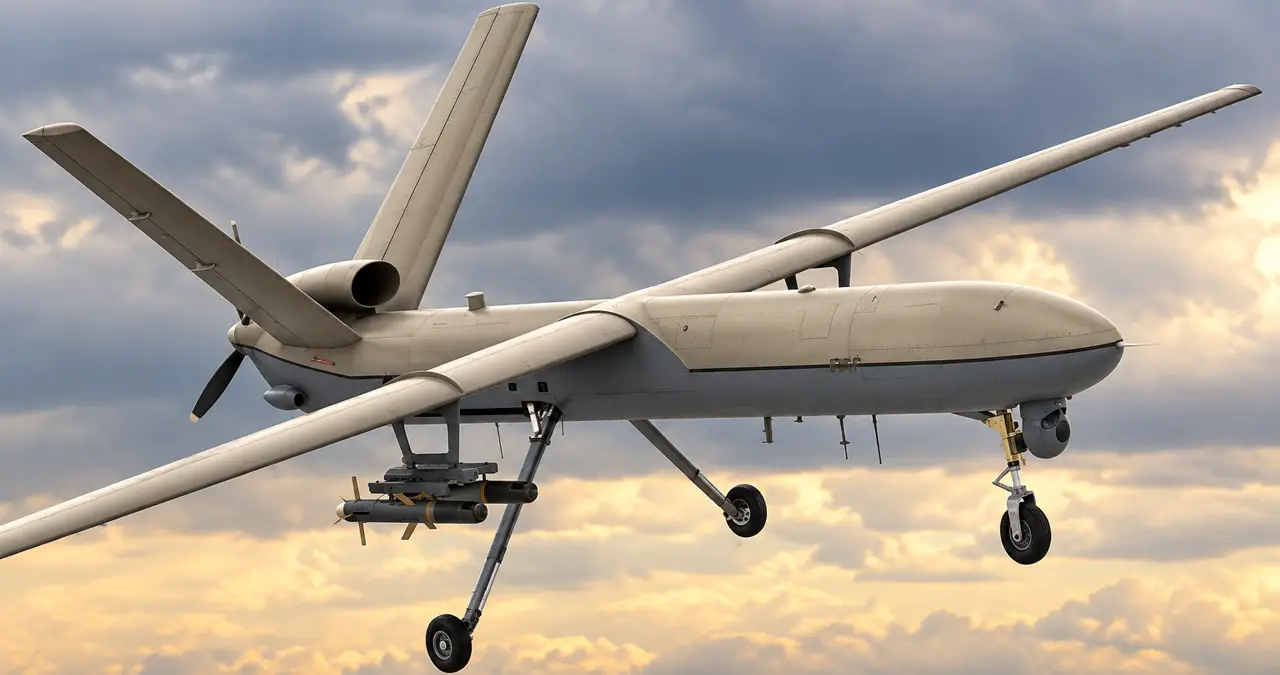
“Shahed 129” is an advanced Iranian combat-reconnaissance UAV with an endurance of 24 to 30 hours and an operational range of 1,700 kilometers. Utilizing the Rotax 914 engine and capable of carrying 8 smart bombs or Sadid missiles, this aircraft is considered one of the primary pillars of the IRGC’s drone operational capabilities in reconnaissance and offensive missions.
Shahed-129 Drone; Technical Specifications, Combat Power, and Reconnaissance Capabilities

Achievement Specifications

Defense DomainUAV
Equipment TypeUAV
Project StatusMass production
Manufacturer CountryIRAN

Key Features

  • High operational flight endurance (24–30 hours) on a single fuel load
  • Operational range of approximately 1,700 km for reconnaissance and combat missions
  • Equipped with a Rotax 914 4-cylinder piston engine (turbocharged)
  • Capable of carrying and launching up to 8 smart bombs or missiles from the Sadid family (345/361)
  • Equipped with the advanced “Oghab-6” (Eagle-6) optical system, featuring laser designation and thermal imaging capabilities
  • Airframe constructed from composite materials and aluminum, featuring landing gear (fixed or retractable in upgraded versions)
  • Service ceiling of 24,000 feet (approx. 7,300 meters)
  • Radio guidance system with support for ground-based signal repeater stations
Text Size:
TelegramWhatsAppFacebookX

Full Description

Introduction and Technical Review of the Shahed 129 UAV

As one of Iran’s first armed and operational unmanned aerial vehicles, the “Shahed 129” represents a turning point in the development of the country’s drone airpower. Developed to meet long-range reconnaissance and precision strike requirements, this platform has proven its efficacy and endurance across widespread regional operations.

پهپاد شاهد ۱۲۹

Design Development and Evolution

The Shahed 129 was designed following Iran’s experiences in regional conflicts and the operational need for an aircraft with high flight endurance. With a fuselage length of 8 meters, a height of 3.1 meters, and a wingspan of 16 meters, it shares structural similarities with successful global counterparts (such as the MQ-9); however, it was developed through domestic engineering by Iran Aircraft Manufacturing Industries Corporation (HESA) and the IRGC Aerospace Force. Its airframe is built from a composite and aluminum blend, delivering low weight and high structural integrity.

Propulsion and Flight Capabilities

The powerplant of the Shahed 129 is an Austrian-made Rotax 914 turbocharged piston engine. This 4-cylinder engine, widely used in global civil aviation, generates 100 horsepower. Thanks to its high fuel efficiency, it grants the UAV the ability to perform extended-duration flights—up to 30 hours in upgraded variants. Using this engine dramatically reduces operational costs compared to UAVs powered by jet or turboprop engines.

Optical Systems and Smart Munitions

The combat capability of the Shahed 129 relies on the Sadid family of smart bombs and missiles:

  • Sadid-361 Missile: Developed based on anti-tank missile technology, optimized for engaging mobile targets.
  • Sadid-345 Bomb: The primary payload of the UAV, featuring thermal optical guidance and a high-yield warhead optimized against fixed installations and structures.
  • Oghab-6 (Eagle-6) Optical System: Includes CCTV electro-optical cameras, thermal imaging, and a laser designator, enabling high-precision strike capabilities for fire-and-forget operations.

Technical Specifications of the Shahed 129 UAV

Technical Specification Value / Status
UAV Classification Combat – Reconnaissance (MALE)
Fuselage Length 8 meters
Wingspan 16 meters
Flight Endurance 24 to 30 hours
Operational Range 1,700 to 1,800 km
Propulsion Rotax 914 piston engine (100 hp)
Service Ceiling 24,000 ft (approx. 7,300 meters)
Payload Capacity Up to 8 Sadid-family smart bombs or missiles
Guidance System Radio link (with ground repeater station support)

Operational Role and Battlefield Deployment

The Shahed 129 has seen extensive combat deployment in Syria and Iraq against terrorist groups. Thanks to its low operating costs and high flight stability, it serves as an optimal asset for long-duration patrol and surveillance missions. While it faces operational limitations in contested, high-threat environments defended by multi-layered air defense systems and advanced fighter aircraft, it remains a primary pillar of Iran’s unmanned aerial capabilities for counter-terrorism, border security, and light strike missions. Subsequent upgrades—such as integration with satellite communication (SATCOM) guidance systems in newer variants and improved landing gear—have cemented its status as a mature and reliable platform in Iran’s drone ecosystem.

News

News Archive
  1. 01

    General Talaei-Nik: Iran Will Never Permit National Rights and Interests to Be Disregarded

  2. 02

    Iran’s Comprehensive Readiness to Counter Enemy Scenarios and Break Blockades

  3. 03

    Iran’s Naval Authority in the Strait of Hormuz: Guaranteeing Global Trade Security and Stability

  4. 04

    Major General Abdollahi’s Warning to Enemies: Iran’s Devastating Response Awaits Aggressors

  5. 05

    Capture of the Second U.S. Navy UUV in the Strait of Hormuz; REMUS 600 Caught in IRGC’s Electronic Warfare Net

مطلبی برای نمایش وجود ندارد.

Defense Achievements

View All
  1. 01

    Zolfaghar Missile; Technical Specifications, Range, and Accuracy of the Precision-Guided Ballistic Missile

  2. 02

    Emad Ballistic Missile: Range, Technical Specifications, and Guidance Technology

  3. 03

    Shahed 191 (Saegheh-2) Drone; A Review of Technical Specifications and Weaponry Capabilities

  4. 04

    Shahed 181 (Saegheh) Drone; A Review of Technical Specifications and Weaponry Capabilities

  5. 05

    Shahed 149 (Gaza) Drone; Technical Specifications and Weaponry Capabilities

مطلبی برای نمایش وجود ندارد.

Official Statements

View All
  1. 01

    IRGC Aerospace Force Missile Attack on US Navy Aircraft Carrier and Destroyer

  2. 02

    IRGC Navy Attacks U.S. Military Remote-Controlled Surface Vessel (USV) in the Strait of Hormuz

  3. 03

    IRGC’s Operational Response to the U.S. Terrorist Attack on Iranian Oil Tankers

  4. 04

    Ministry of Foreign Affairs Statement Condemning Attacks on Iran / The U.S. Regime Has Violated All Components of the Agreement

  1. 01

    Ministry of Foreign Affairs Statement Condemning Attacks on Iran / The U.S. Regime Has Violated All Components of the Agreement