Tuesday, November 10, 2026 · London 14:59 · Washington 09:59

The Soumar family of strategic cruise missiles stands as a testament to the nation’s capabilities in long-range guided munitions. This article examines the evolutionary trajectory of this missile family, the technical specifications of key models such as the Hoveyzeh and Paveh, low-altitude flight characteristics, and its achievements in defense deterrence.
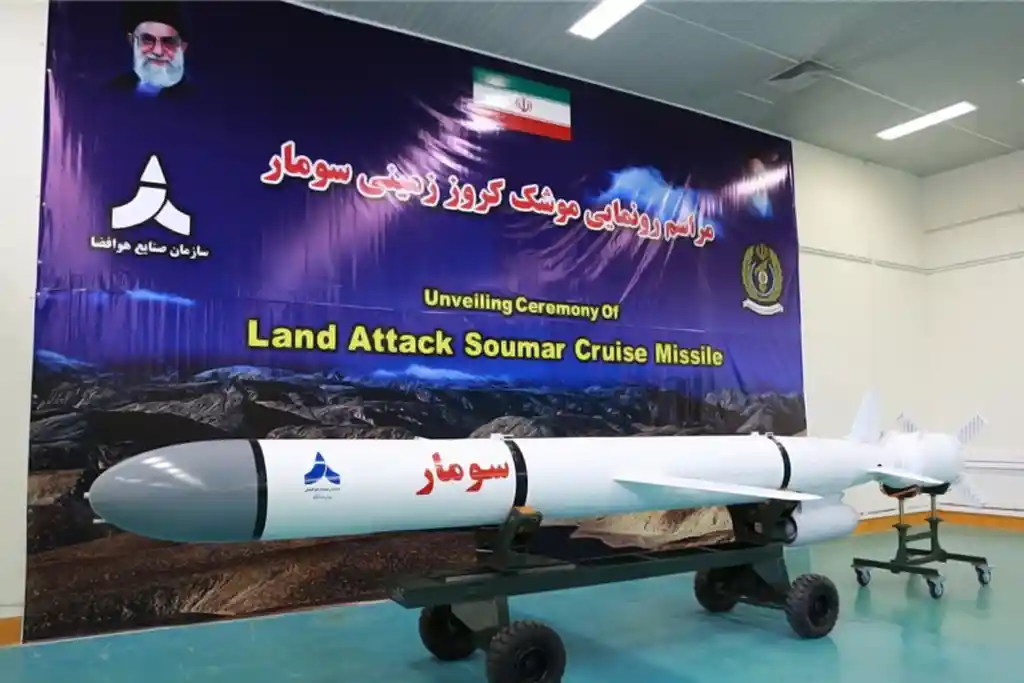
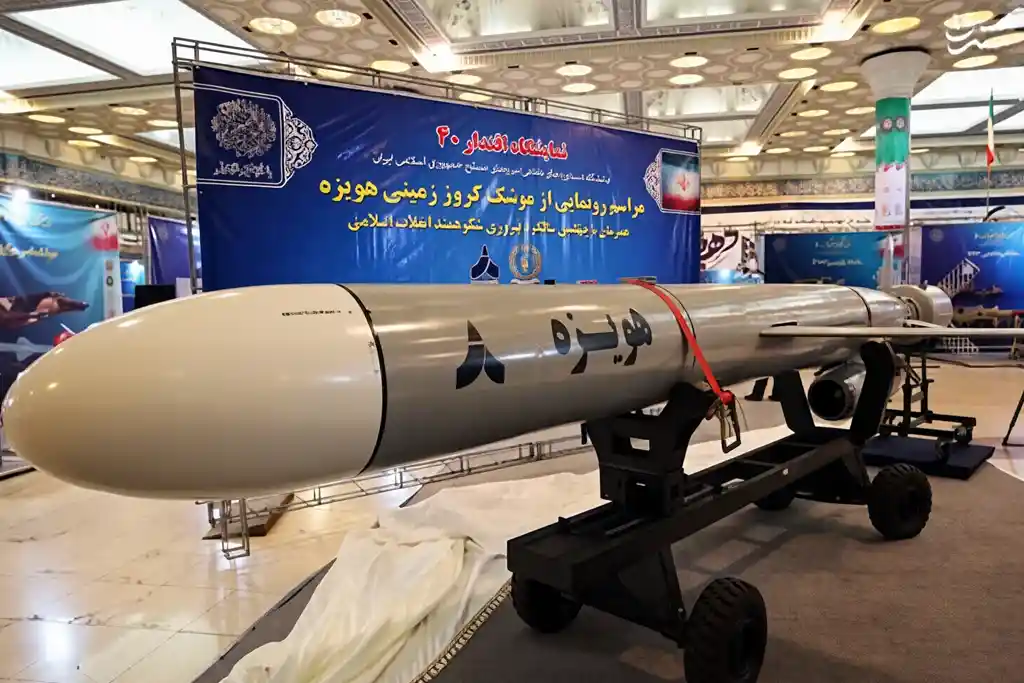
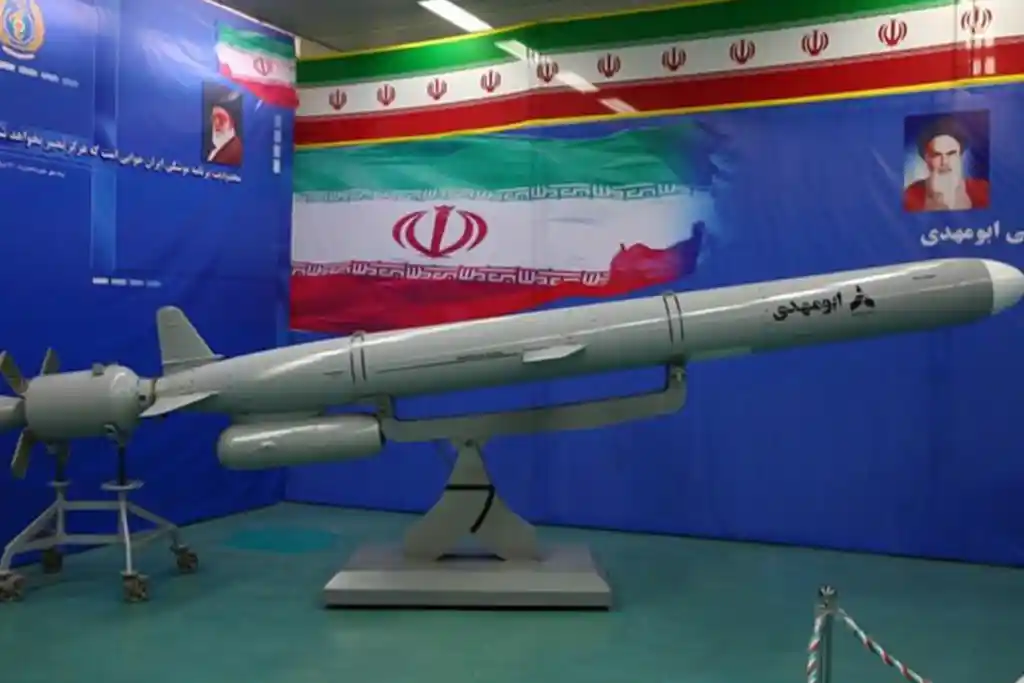
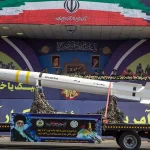
The Soumar family of cruise missiles stands among Iran’s most advanced defense achievements in the realm of land-attack and anti-ship weaponry. Developed through the adaptation and indigenization of advanced systems, this family includes various models such as the Soumar, the Hoveyzeh (with a range exceeding 1,350 kilometers), the Paveh (with a range of 1,650 kilometers), and the Abu Mahdi. Capable of extremely low-altitude flight (clutter/terrain following), radar evasion, and precise guidance, these missiles possess the ability to destroy distant targets under any conditions.
In contemporary military doctrine, cruise missiles hold an irreplaceable position due to unique characteristics such as low-altitude flight, continuous route alteration, radar stealth, and high target-accuracy. Unlike ballistic missiles that travel in a space arc, cruise missiles operate like a guided unmanned aerial vehicle, making them extremely difficult for air defense systems to track. In Iran, the development of this technology began years ago through reverse engineering and subsystem upgrades, reaching remarkable maturity with the emergence of the Soumar missile family.
Introduced as a turning point in the history of Iran’s defense industries in the field of land-attack cruise missiles, the Soumar cruise missile system was engineered with models inspired by successful global designs and the complete indigenization of navigation and propulsion subsystems. Prior to this, missiles such as the “Ya Ali” with a 700-kilometer range had been introduced, but the Soumar demonstrated new standards in range and accuracy.
Following initial successes, a more advanced generation of this family emerged under the name of the Hoveyzeh cruise missile. This missile is designed to destroy stationary land targets.
One of the most significant achievements in recent years regarding land-attack cruise missiles was the introduction of the Paveh missile. Brigadier General Amir Ali Hajizadeh, Commander of the IRGC Aerospace Force, announced upon unveiling this achievement that the range of the Paveh missile had been extended to 1,650 kilometers, marking a 22-percent range increase compared to earlier models.
The technology developed within the Soumar and Hoveyzeh cruise missile families also laid the groundwork for a new generation of naval cruise and anti-ship missiles. The Abu Mahdi cruise missile, whose body design and propulsion originate from the Soumar family’s architecture, was unveiled with a range exceeding 1,000 kilometers. In its analytical reports, Fars News Agency regards the Abu Mahdi as one of Iran’s most advanced naval cruise missiles, capable of targeting enemy vessels in deep waters far from coastal areas.
A cruise missile’s strike accuracy depends on its navigation systems. The Soumar and Hoveyzeh family of missiles are equipped with a suite of advanced systems:
The Soumar family of cruise missiles—from the base Soumar model to the 1,350-kilometer Hoveyzeh and the 1,650-kilometer Paveh—demonstrates Iran’s scientific and industrial capabilities in the domain of advanced guided weaponry. Possessing strategic range, radar-evading capabilities, and pinpoint accuracy, these weapons have significantly elevated the nation’s regional defense deterrence.