Tuesday, November 10, 2026 · London 15:19 · Washington 10:19

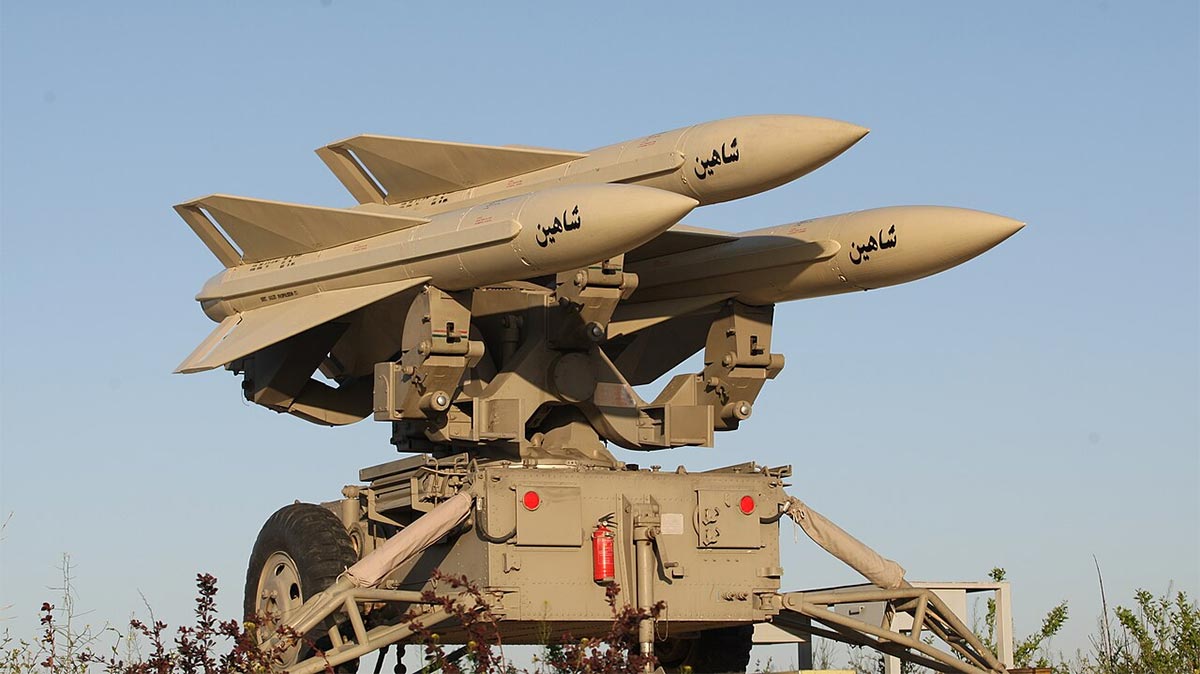
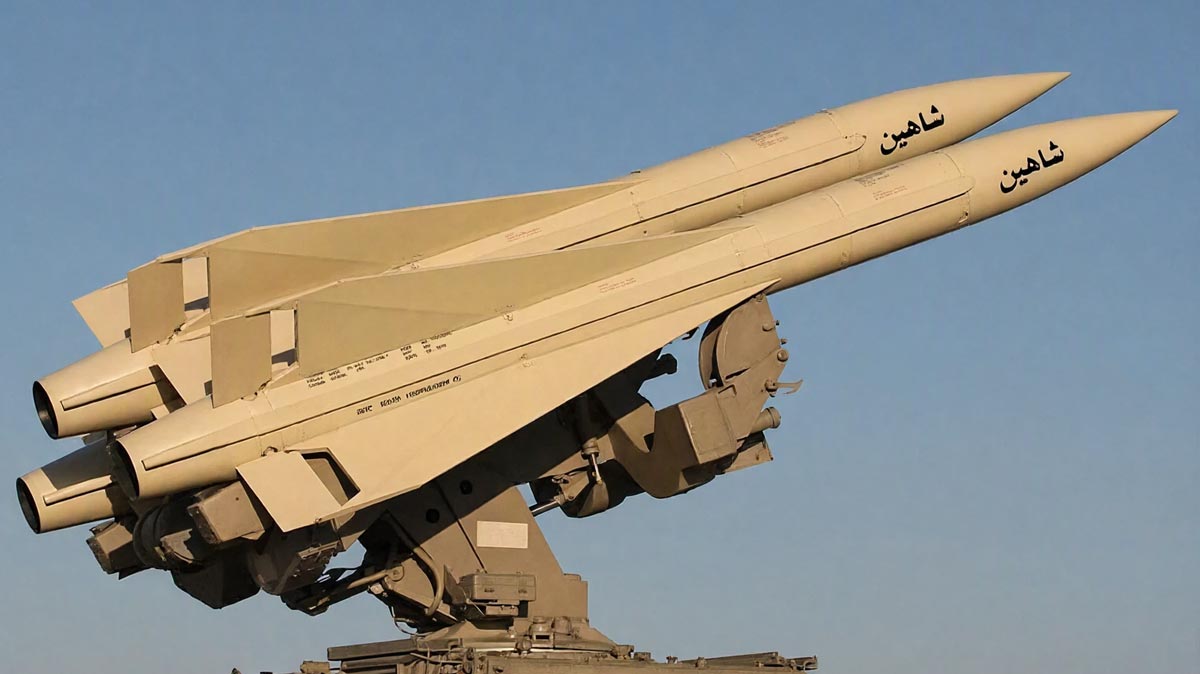
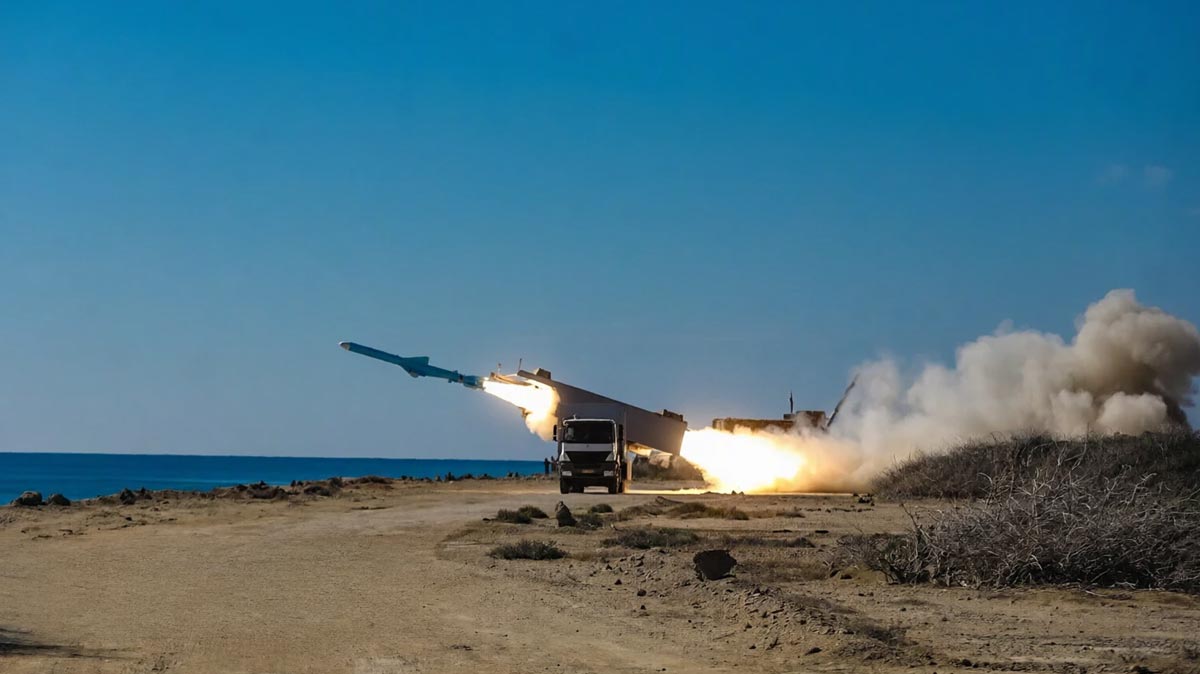
Medium-range air defense is a vital pillar of any nation’s airspace security for protecting critical infrastructure and major cities. Serving as the backbone of the Islamic Republic of Iran Army’s medium-altitude air defense, the Mersad system has traversed a rich evolutionary path over the years. This article examines the history, technical features, upgraded variants (Mersad-16), and Shalamcheh missiles based on official documents and reports from the IRNA and Fars news agencies.
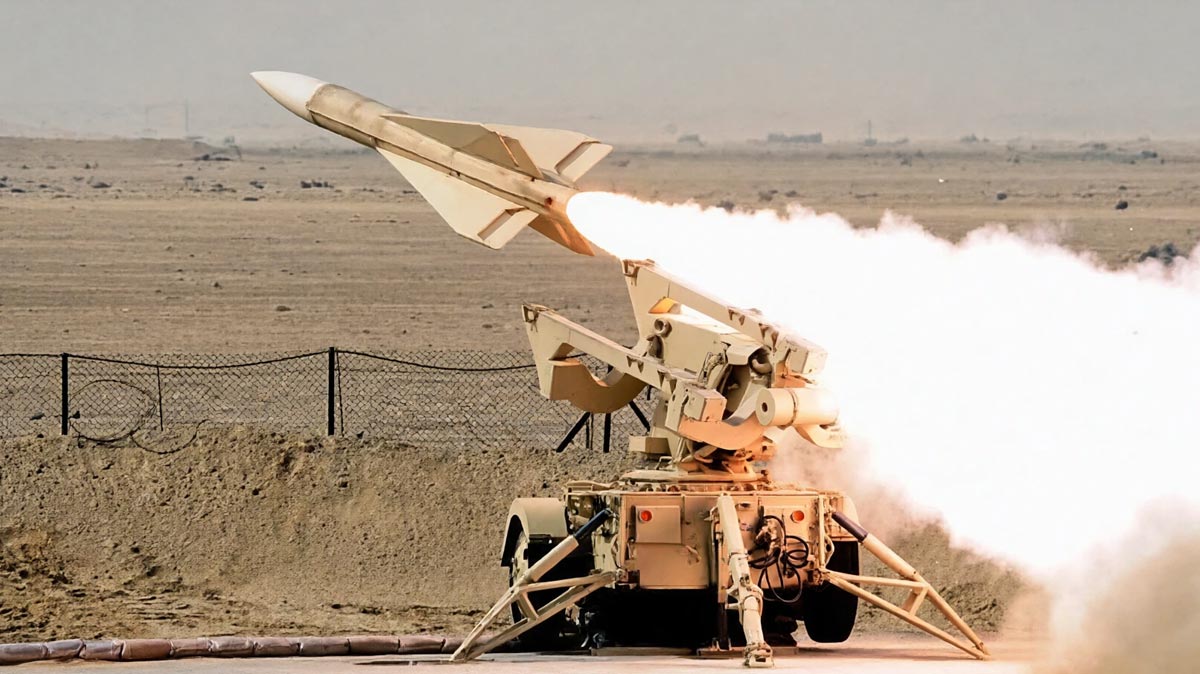
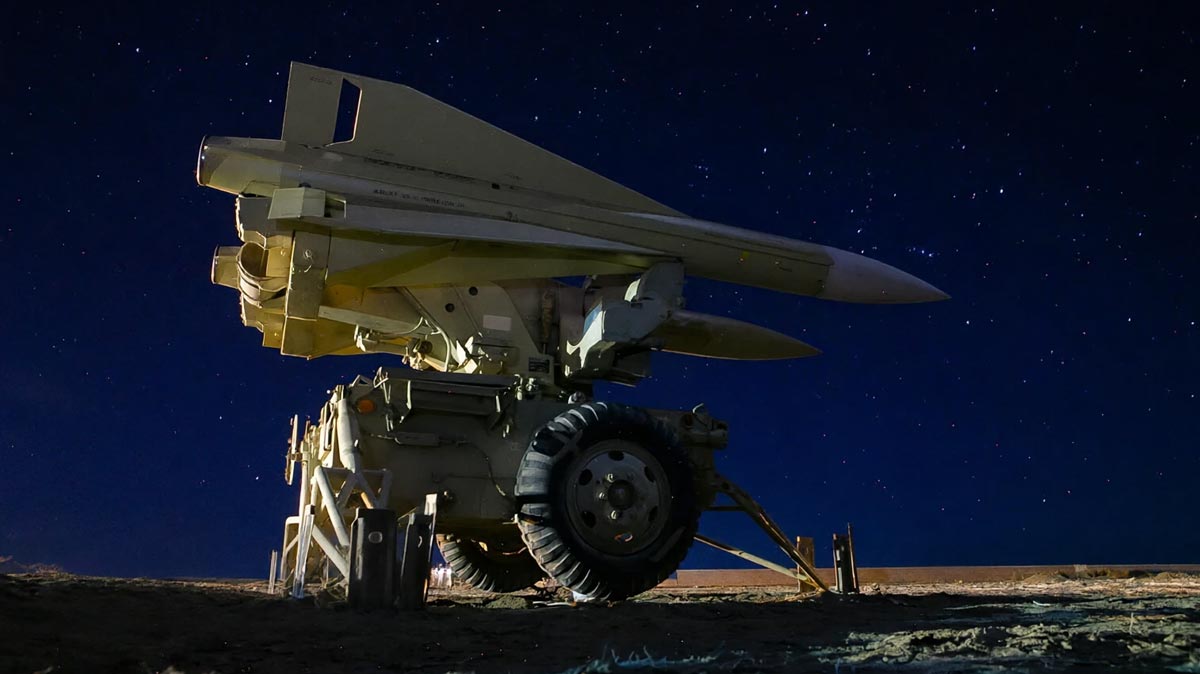
Modern air defense doctrine is based on establishing a multi-layered umbrella encompassing low-altitude, medium-range, and long-range tiers. Among these layers, medium-range air defense bears the critical responsibility of protecting vital regions against threats such as tactical fighters, reconnaissance drones, and cruise missiles. In the years following the Islamic Revolution, with the severance of reliance on foreign weaponry, domestic specialists undertook the redesign and upgrading of existing systems (such as the Hawk), the result of which was the birth and evolution of the Mersad air defense system—a system that today has transformed into one of the powerful arms of the country’s air defense.
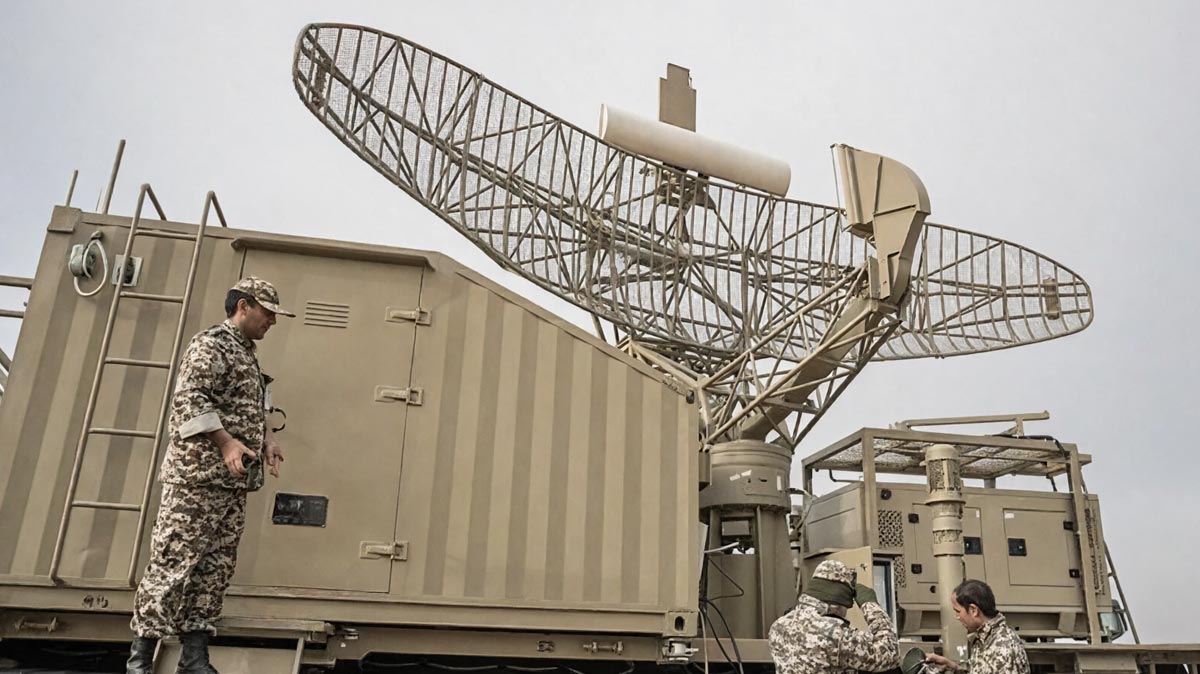
In its initial steps, the Mersad system began on the basis of optimizing and digitizing the radars and launchers of Hawk systems. Over time, however, all of its components—including acquisition radars, tracking radars, fire control computers, and missile launchers—were replaced with entirely indigenous technologies. This reduced reliance on foreign parts to zero and significantly increased system reliability.
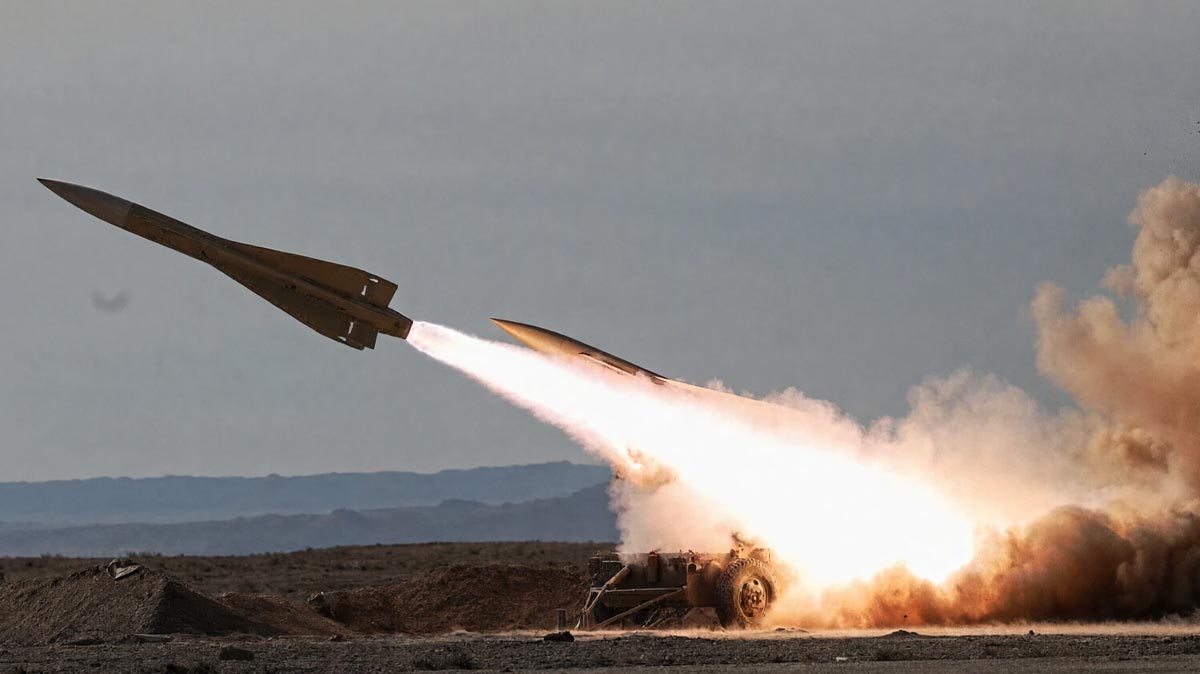
One of the most significant milestones in the history of this system was the unveiling and successful testing of the Mersad-16 system. In a detailed report, the Islamic Republic News Agency (IRNA) outlined the features of this version, announcing that during specialized air defense exercises, Mersad-16 successfully identified and destroyed high-speed, low-altitude targets. This version features:
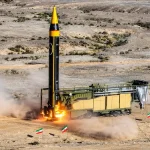
For any air defense system to succeed, it requires an agile and precise missile. Alongside the Mersad system, the Shalamcheh missile family was developed to assume the executive role for this system.
One of Mersad’s prominent technical features is its ability to connect to the country’s integrated air defense command and control network (including control centers such as Hazrat Valiasr). This capability allows the system to receive target acquisition data from other long-range radars (such as indigenous Matla-ol-Fajr or strategic radars) and surprise and destroy the target in the shortest possible time without activating its own radar.
The Mersad air defense system and its evolved variants, such as Mersad-16, stand as clear testimony to the capability of Iran’s defense industry in indigenizing and upgrading complex air defense technologies. Featuring Shalamcheh and Shalamcheh-2 missiles, digital radars, and electronic warfare countermeasures, this system guarantees the security of the nation’s medium-range airspace against a broad spectrum of modern aerial threats.