Geopolitical Tensions in the Persian Gulf and Strait of Hormuz Enter a New Phase
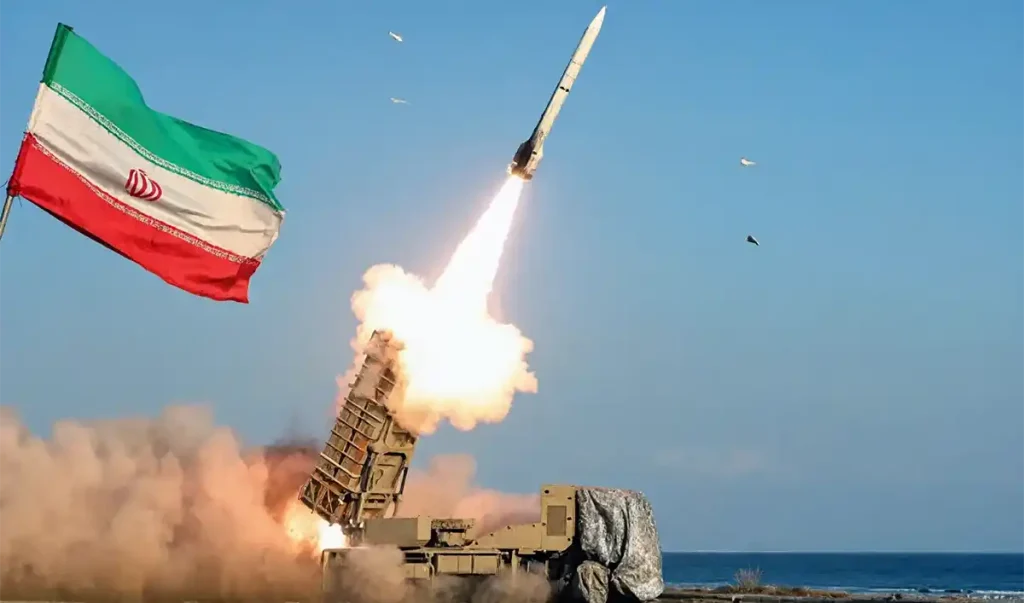
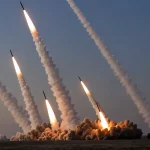
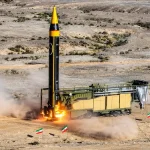
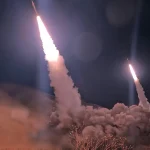
Geopolitical tensions across the Persian Gulf and the Strait of Hormuz have entered a new phase. Concurrently with escalating hostile rhetoric from U.S. officials, senior commanders of the Islamic Republic of Iran Army and the Islamic Revolutionary Guard Corps (IRGC) have announced the armed forces’ comprehensive readiness to counter any potential scenario. These military developments unfold as global energy markets react volatilely to mounting uncertainties.
Asymmetric Defense Doctrine: A Response to Modern Threats
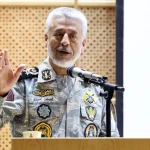
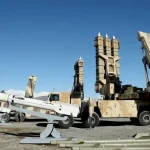
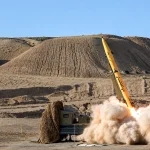
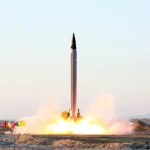
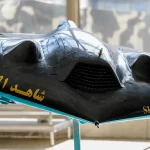
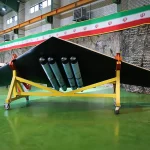
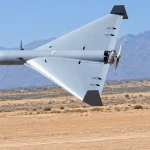
A pivotal axis in recent military statements has been the emphasis on enhancing deterrence capabilities and advancing an asymmetric warfare doctrine. Major General Amir Hatami, Commander-in-Chief of the Army, during an inspection of a combat drone manufacturing facility, underscored the necessity of continuous vigilance against adversary maneuvers.
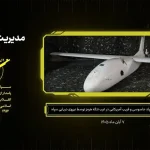
In asymmetric warfare, deploying strategic hardware such as combat drones, Unmanned Surface Vehicles (USVs), and micro-drones plays a fundamental role in altering the strategic balance and boosting border security coefficients. The Army Commander also warned that safeguarding national interests east of the Strait of Hormuz means any unauthorized entry by hostile vessels will face a decisive response from the armed forces.
Persian Gulf Developments and the IRGC Navy’s Warning
In parallel, the Islamic Revolutionary Guard Corps Navy released a report detailing encounters with violating vessels that compromise security in the Persian Gulf and the Strait of Hormuz. Closely monitoring extra-regional movements, the force warned that persistent provocative approaches and support for unauthorized vessel transit could widen the scope of confrontation, turning regional U.S. military bases into highly vulnerable liabilities.
Convergence of National Security and Global Oil Market Stability
The intersection of military developments and macroeconomics has once again impacted energy indicators. Brent crude futures registered a 3.1% gain, reaching the threshold of $117 per barrel, while West Texas Intermediate (WTI) surpassed $103. Analysts note this price surge reflects deep global market anxieties regarding the security of energy transit routes and potential supply chain disruptions.
Diplomacy in the Shadow of Ambiguity and Pressure
Despite intensifying military and security friction, diplomatic channels remain active; however, fundamental disagreements regarding economic sanctions relief, maritime blockades, and sustainable security arrangements continue to obstruct a breakthrough. Iranian officials have repeatedly stated that the removal of sanctions and the cessation of economic pressures remain primary prerequisites for any constructive engagement.
Ultimately, the ongoing confrontation demonstrates that Iran’s defense power extends far beyond firepower; safeguarding critical infrastructure, managing economic crises, and preserving regional stability form the inseparable pillars of the nation’s security against peripheral threats.