Rear Admiral Fattahi Details Strike on Arleigh Burke-Class Destroyer and Protection of Strategic Naval Chokepoint
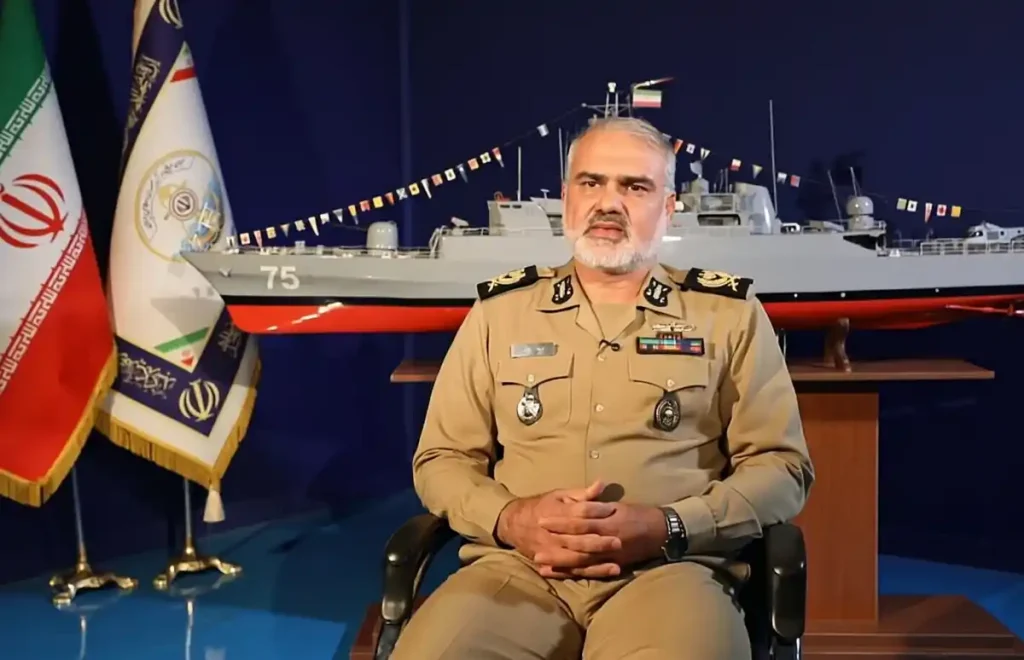
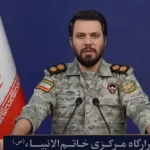
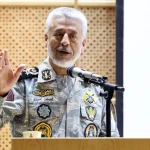
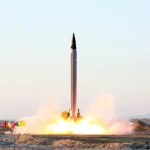
Rear Admiral Farhad Fattahi, Deputy of Operations for the Islamic Republic of Iran Navy, in an extensive interview detailing the dimensions of maritime confrontation in the southern operational sectors, evaluated the nation’s deterrence capabilities and fundamental shifts in the armed forces’ tactical approach. According to him, the widespread deployment of missile batteries, drone units, and the integration of emerging technologies such as artificial intelligence have rendered the country’s defensive lines across the southern seas impenetrable.
Combined Readiness Against Any U.S. Surface Aggression
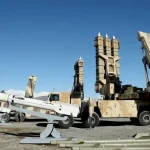
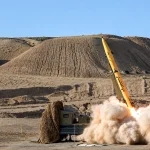
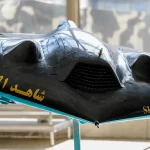
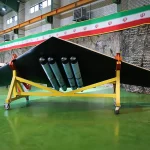
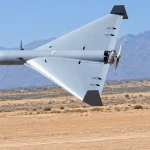
Emphasizing the deterrent power of the southern fleet, the Deputy of Operations stated: “Given the missile and drone posture established along the coasts and our reliance on operational weaponry, should U.S. warships attempt to breach our maritime domain, they will be targeted in a joint, combined, and decisive operation, suffering heavy losses.” He added that advancements in uncrewed systems and artificial intelligence have played a direct role in containing the surface aggression of the U.S.-Zionist coalition.
Geopolitical Division of Responsibility and Defining the “Strait of Uhud of the Velayat”
Referring to directives from the General Staff of the Armed Forces and the Supreme Commander’s Headquarters regarding the division of naval duties, Rear Admiral Fattahi noted: “The Strait of Hormuz and the Persian Gulf fall under the operational purview of the IRGC Navy, whereas east of the Strait of Hormuz—encompassing the Sea of Oman, the Arabian Sea, and the northern Indian Ocean—has been assigned to the Islamic Republic of Iran Navy (Nedaja).”
Defining Nedaja’s operational boundary from Ras al-Hadd to Gwatar Bay, and from the Strait of Hormuz from Fujairah to Ras al-Kuh, he continued: “The strategic zone of Jask and Kuh-e Mobarak toward open waters—which serves as the prerequisite for foreign units entering the Persian Gulf—has been designated by the Nedaja Command as the ‘Strait of Uhud of the Velayat’ and is guarded with utmost vigilance by operational units.”
Shift in Military Doctrine to an Offensive Strategy
Recalling the previous defensive-oriented doctrine, he pointed to the tactical pivot communicated following the 12-day war, stating: “By order of Lieutenant General Mousavi and in accordance with the exigencies of the battle arena, the nation’s military mechanism was upgraded from a defensive posture to an offensive doctrine to achieve pre-emptive strike capabilities and proactive engagement against peripheral threats.”
USS Abraham Lincoln Targeted and Arleigh Burke-Class Destroyer Forced to Retreat
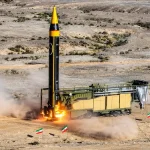
In response to Nedaja’s retaliatory measures against U.S. forces, Rear Admiral Fattahi explicitly declared: “In the very opening phases of the conflict, the aircraft carrier USS Abraham Lincoln was struck by an Iranian missile. The cellular structure and compartmentalization of large carriers mean a single missile does not lead to instantaneous sinking; however, the impact disrupted the vessel’s mission and delayed its docking for months, until it was ultimately halted in Thailand recently.”
He also reported a successful strike on a U.S. Navy Arleigh Burke-class destroyer, stating: “Following the missile hit, this destroyer departed the short routes of the Suez and Bab al-Mandab to conceal the damage from media and international observers, retreating toward its base via the turbulent waters of the Cape of Good Hope.”
The Story of the Dena Destroyer and Surface Combat Tactics
Detailing the circumstances surrounding the targeting of the Dena destroyer by a U.S. submarine, the former commander of the 86th Naval Flotilla explained: “In military logic, submarines only fire when a surface unit is isolated, as launching a torpedo exposes the attacker’s position. Dena was not operating in a combat convoy formation, but was instead returning at maximum speed following received warnings when it was struck from beneath its hull by two torpedoes.” He further noted that friendly air defense, having received intelligence warnings 12 to 15 hours prior to the onset of the offensive wave, successfully relocated missile sites and strategic equipment while executing a dispersal plan.
Intelligence Overlap Between the Army and the IRGC
The Deputy of Operations for Nedaja described operational cohesion between the Army and the Islamic Revolutionary Guard Corps within the joint headquarters as one of the pillars for overcoming enemy scenarios, emphasizing that the exchange of intelligence surveillance data has maximized the possibility of delivering pinpoint strikes in the Strait of Hormuz and the Sea of Oman. Concluding his remarks, he paid tribute to the sacrifices of drone unit martyrs, emphasizing that many of the guerrilla operations and equipment strikes inflicted on extra-regional units will be disclosed to the Iranian nation once operational considerations are lifted.