Advancing the “Indigenous Security” Doctrine centered in Tehran: High-Ranking Security Officials from Three Countries to Visit Iran
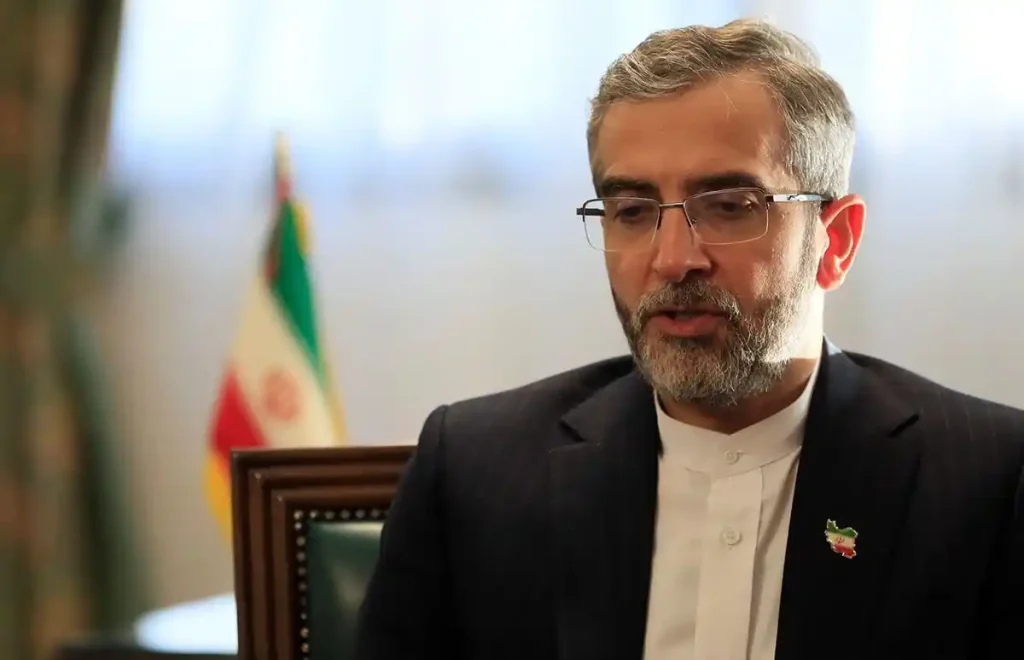
The Deputy Secretary of the Supreme National Security Council has shed light on new dimensions of the Islamic Republic of Iran’s initiative to solidify stability across West Asia. According to reports, senior military and security officials from Saudi Arabia, Pakistan, and Turkey are slated to visit Tehran shortly to bolster regional cooperation.
Citing details from the recent meeting between Pakistan’s Chief of Army Staff, General Syed Asim Munir, and Major General Mohsen Rezaei, Secretary of the Supreme National Security Council, Ali Bagheri stated that the Pakistani army chief emphasized the firm resolve of senior officials in Saudi Arabia, Turkey, and Pakistan to travel to Tehran for a joint strategic summit with Iran’s SNSC Secretary.
Key Officials from the Three Nations to Attend the Tehran Summit
Outlining the composition of the high-ranking regional delegations, Bagheri stated:
- Prince Khalid bin Salman, Minister of Defense of Saudi Arabia;
- General Syed Asim Munir, Chief of Army Staff of Pakistan; and
- Ibrahim Kalin, Head of Turkey’s National Intelligence Organization (MIT),
will participate in a joint meeting with high-ranking security officials of the Islamic Republic of Iran during their visit to Tehran to consult and exchange views on regional developments and security.
Failure of Foreign Aggression and Emulating Iran’s Defense Capabilities
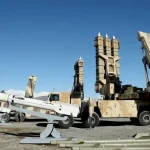
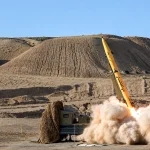
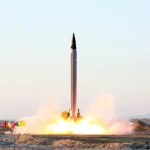
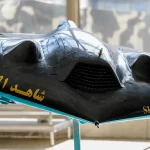
In another segment of his remarks, the Deputy Secretary of the SNSC addressed the strategic achievements of the Iranian nation and its armed forces in countering the aggression of the U.S.-Zionist axis. Emphasizing the definitive failure of the adversaries’ aggressive objectives, he noted that the Islamic Republic’s defense model—relying entirely on indigenous and internal capabilities—has today evolved into a successful blueprint for “national security-building.”
Bagheri underscored that the principled policy of the Islamic Republic is to achieve regional security through native actors while categorically rejecting any foreign interference and influence—chiefly by the United States and the Zionist regime.
The Zionists: The Primary Catalyst for Instability in West Asia
The senior security official described the role of the illegitimate Zionist regime across any level of West Asian developments as a blatant disruption to the security and stability of regional nations. He added that Iran, Saudi Arabia, Turkey, and Pakistan possess the capacity to take a structural and effective step toward establishing “indigenous security” by drawing upon the Islamic Republic’s successful experience in national security-building.
Concluding his remarks, Bagheri attributed this regional security initiative involving native actors to the heroic sacrifices of the armed forces and the steadfastness of the Iranian nation, expressing hope that this convergence will usher in a secure, stable, and progressive region.